Strategy, frameworks, and the analysis behind B2B pipeline that compounds.
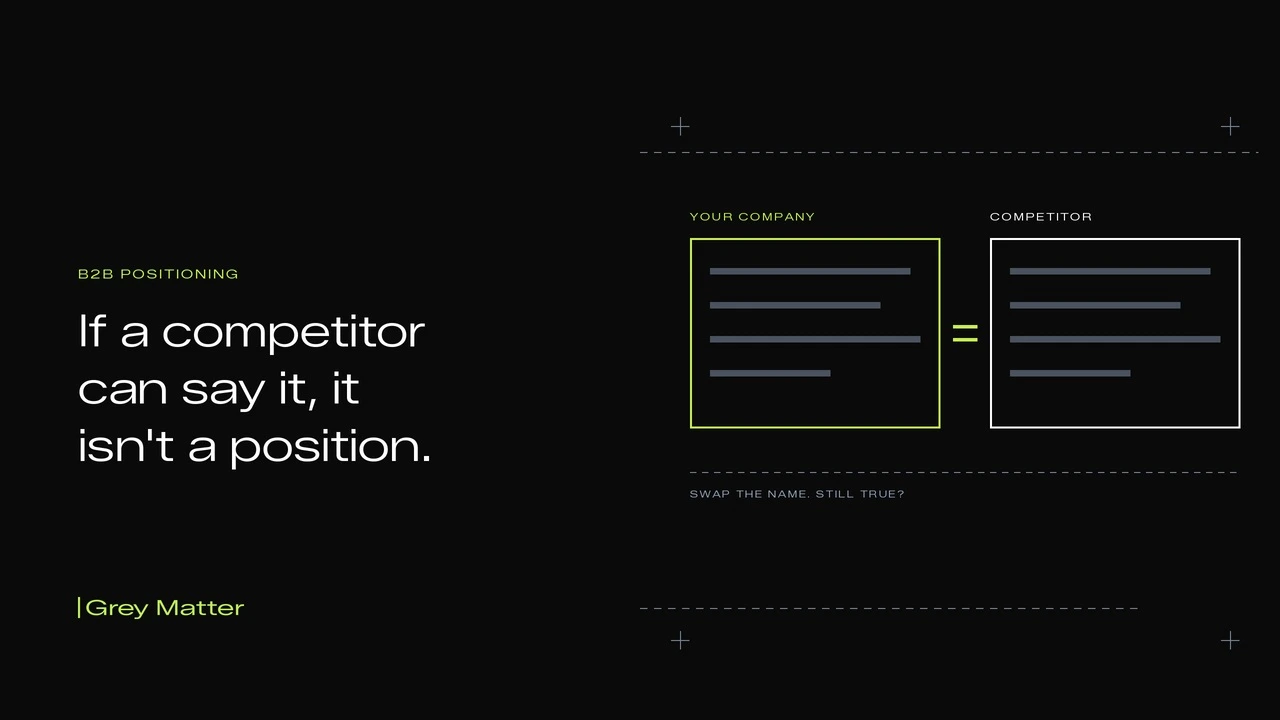
B2B Positioning: Why Your Sales Team’s Version of It Is Probably Wrong
B2B positioning is the place you hold in a buyer’s mind. Two client stories show what bad positioning costs, plus how it differs from messaging and a template to write yours.
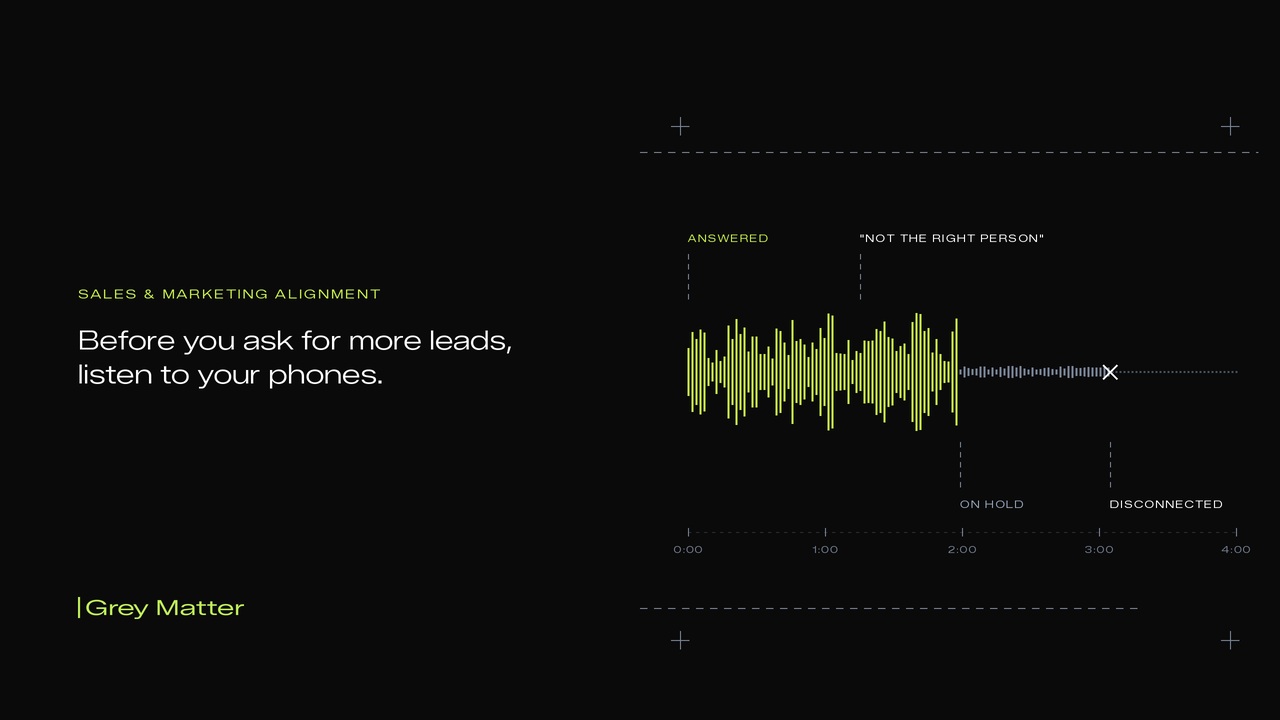
Sales and Marketing Alignment: Before You Ask for More Leads, Listen to Your Phones
Sales and marketing alignment often breaks after the lead arrives. What one client learned when it started listening to its phone calls, and a one-week diagnostic to check yours.
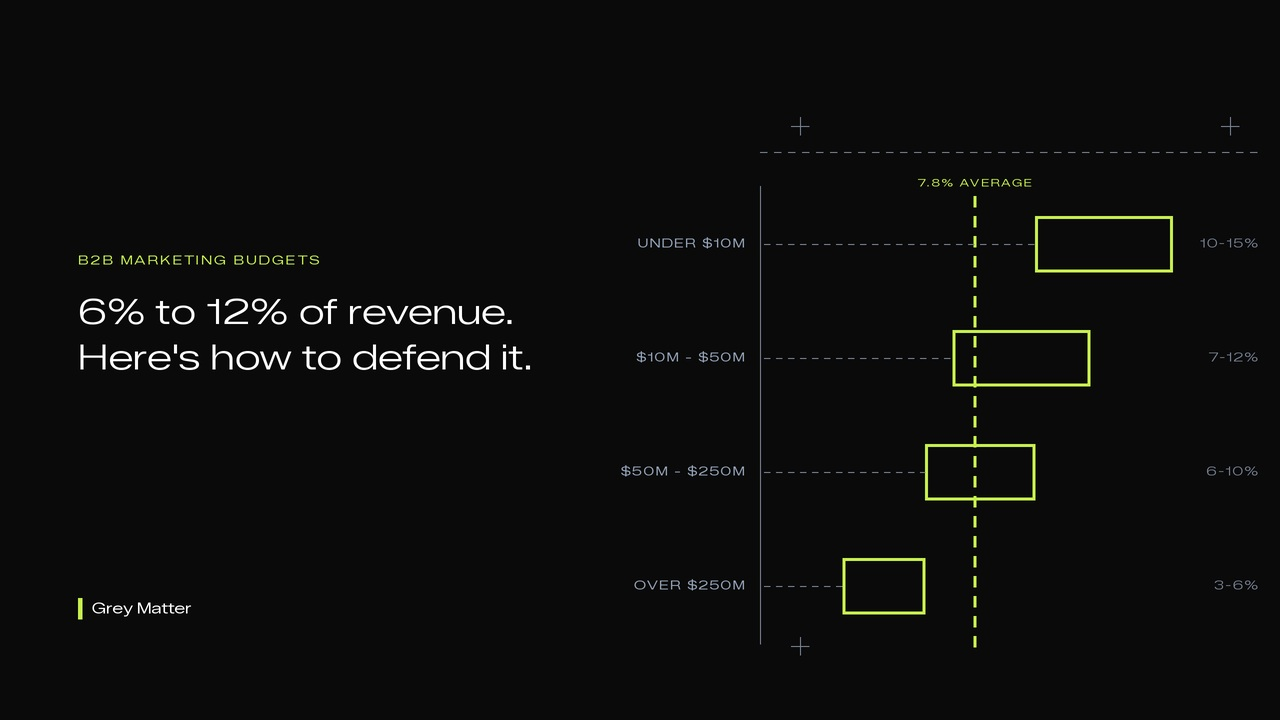
B2B Marketing Budgets: What Companies Spend in 2026 and How to Set Yours
B2B marketing budgets run 3% to 15% of revenue, with most companies between 6% and 12%. See the 2026 benchmarks by company size and industry, where the money goes, and how to set a number you can defend.
B2B Demand Generation: How to Build a Pipeline Engine That Compounds
B2B demand generation is the work of creating and capturing buying demand across a full purchase cycle. Here is the four-phase engine, the metrics that matter, and where most programs break.

B2B Website Conversion Rates: The 2026 Benchmarks, Segmented by Channel, Industry, and Deal Size
The median B2B website converts at 2.9%. Direct traffic hits 3.3%, paid search 1.5%, and legal services 7.4% against cybersecurity at 1.0%. Here are the 2026 conversion rate benchmarks that hold up once you segment them.
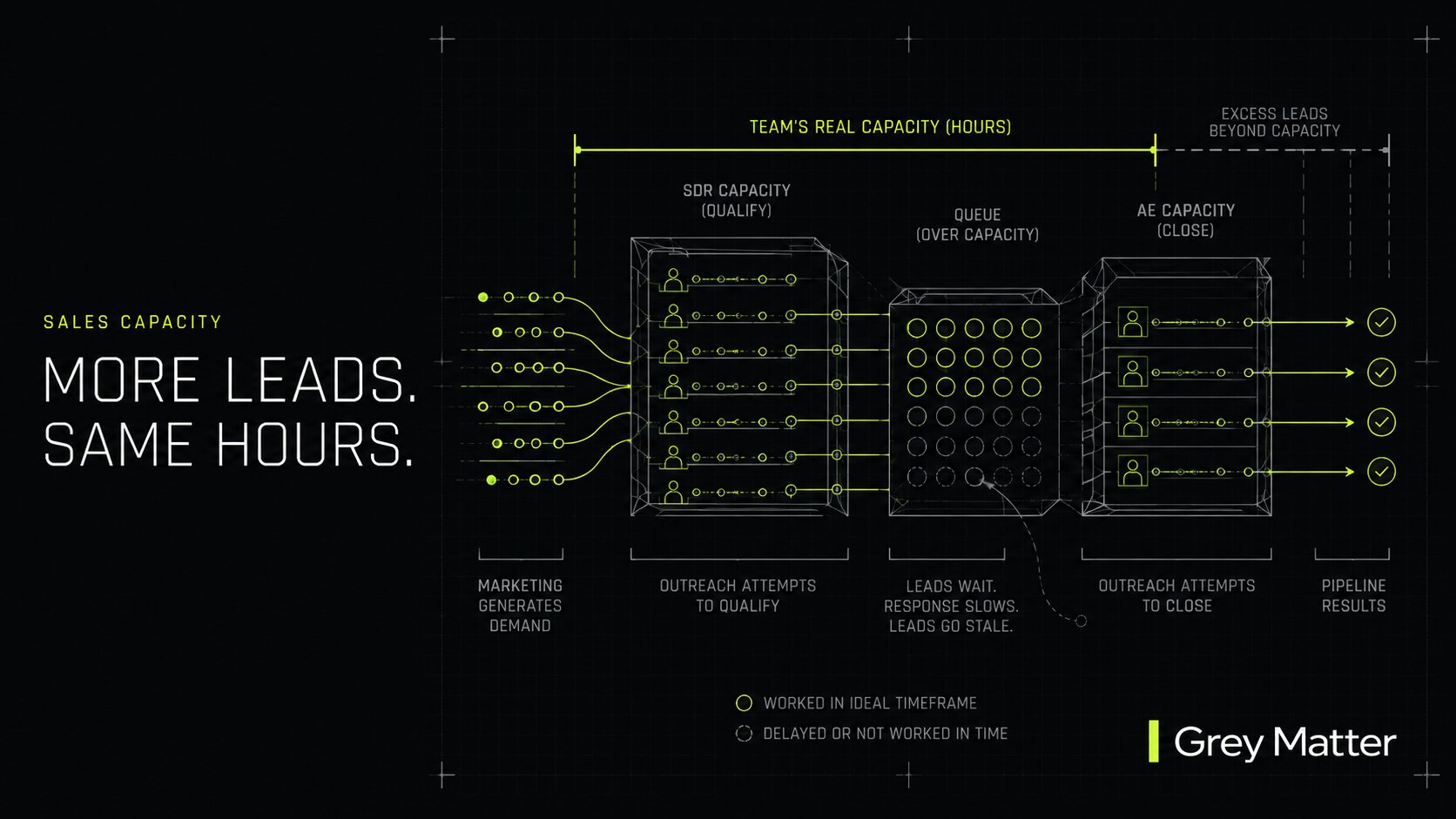
Marketing Hit Its Number. Sales Still Missed Theirs. Here's Why.
Marketing can hit its MQL target while sales still misses pipeline. The hidden variable is capacity: how many leads reps can actually work well in a month.

Account-Based Marketing for B2B: A Practical ABM Playbook
Account based marketing points your budget at the accounts that can actually buy. The practical ABM playbook: build the list with sales, map the committee, run the plays, and measure to pipeline.

B2B Channel Marketing: How to Choose the Channels That Actually Build Pipeline
B2B channel marketing is a budget allocation decision, not a channel list. Here is how to score channels by pipeline contribution and cut the ones that only produce activity.
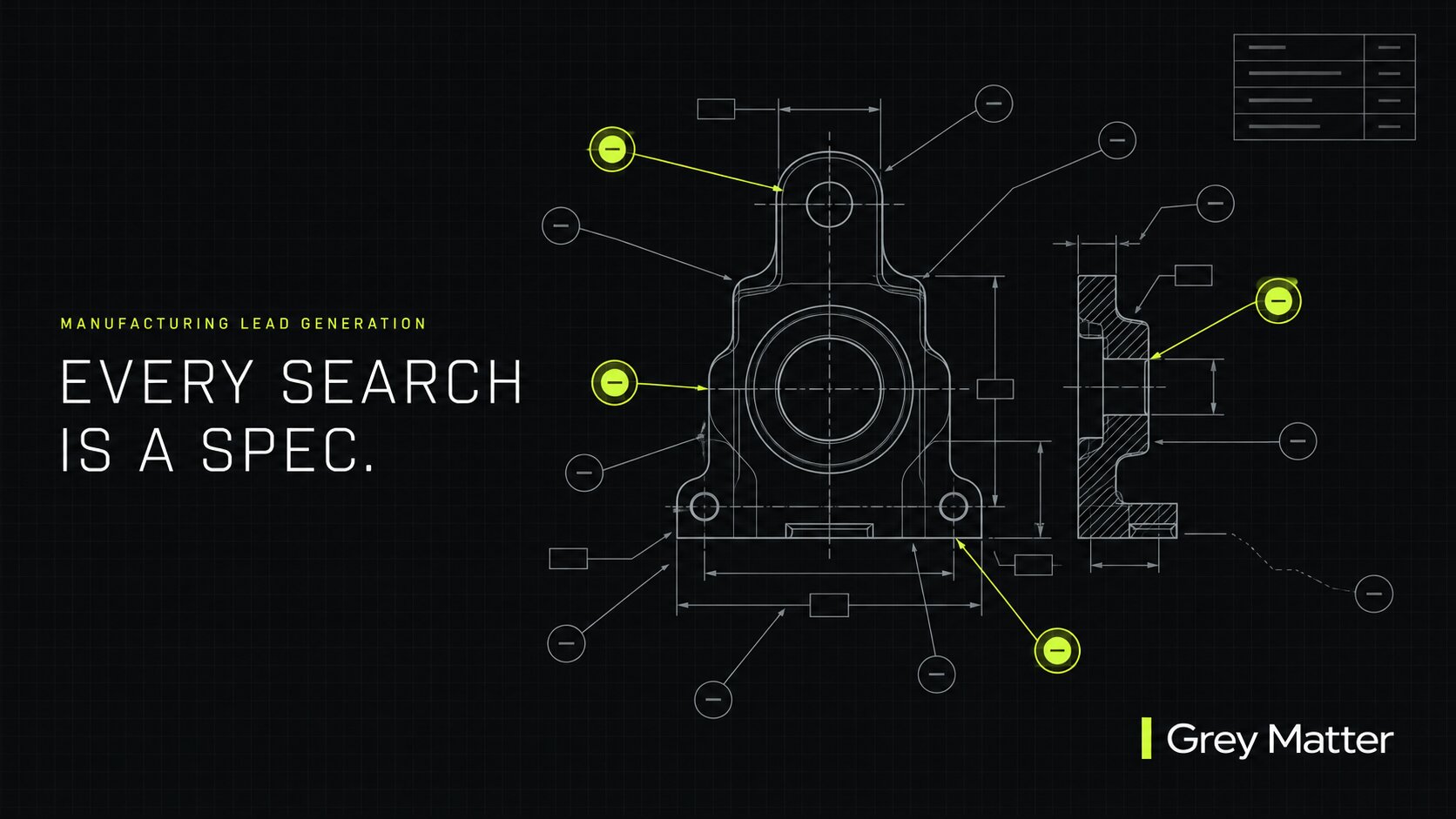
Manufacturing Lead Generation: Turning Searches Into Sales Conversations
Manufacturing lead generation turns buyer searches into sales conversations. The four-part framework: capture demand, convert it, qualify it, measure it to revenue.
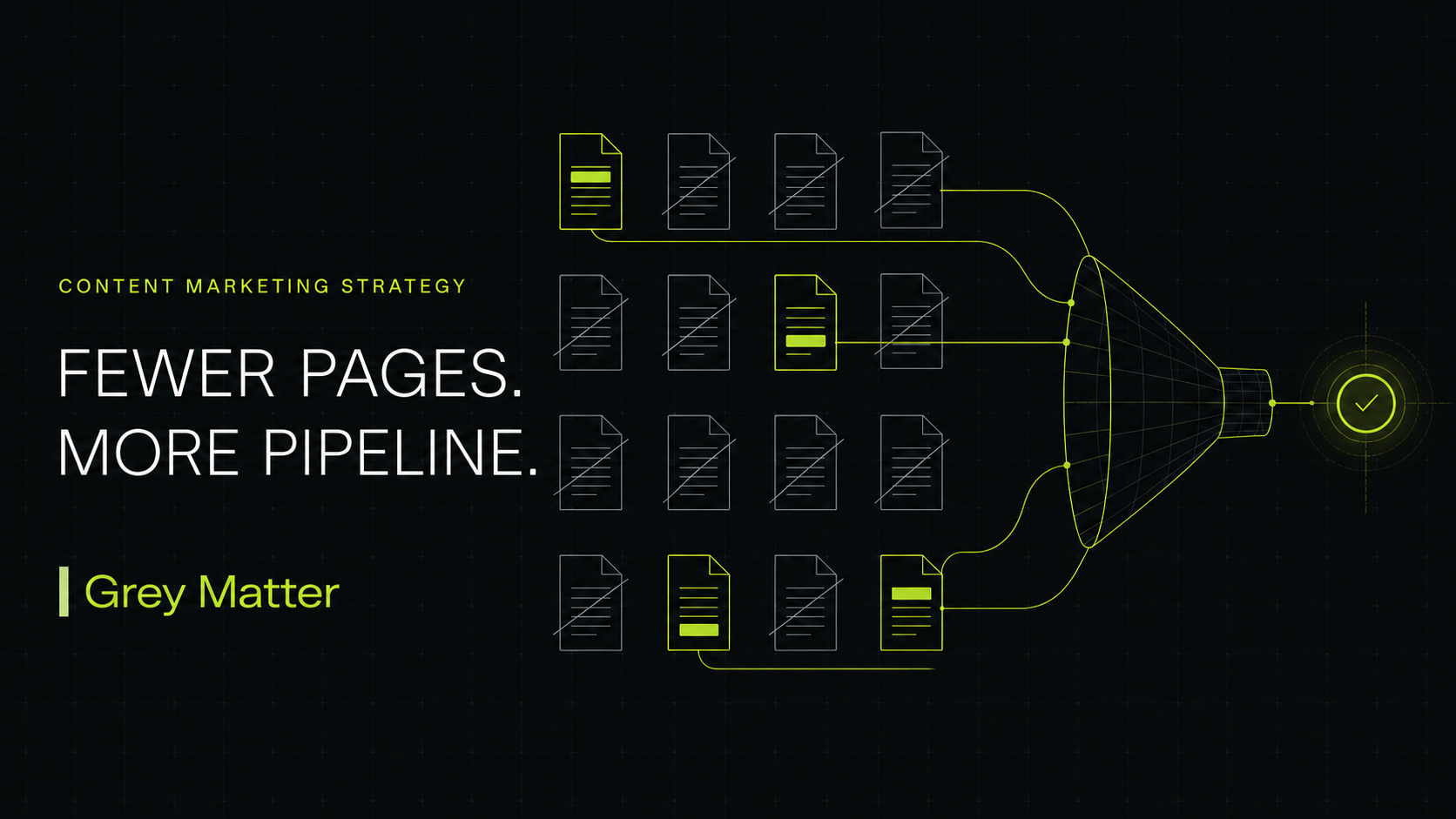
B2B Content Marketing Strategy for 2026: Build for Buyers and AI Search
A B2B content marketing strategy built for the AI search era: tie content to buyer problems, demand generation, and pipeline instead of volume nobody uses.

B2B Website Conversion Rate Optimization: The Playbook for Pipeline, Not Rate Tricks
B2B website conversion rate optimization is not a checklist of button colors. Here is the systematic playbook: find the leak, fix the message, cut friction, and tie every change to pipeline.

Manufacturing Marketing Strategy: How to Build One That Drives Pipeline, Not Activity
A manufacturing marketing strategy should build pipeline, not activity. Here's the framework: positioning, buyer-intent content, demand capture, and revenue measurement.