B2B Website Performance Guide: Benchmarks, Best Practices, and Conversion Strategy
Most B2B messaging sounds like everyone else’s. Learn how to build problem-centric messaging that actually resonates with buying committees and closes deals.

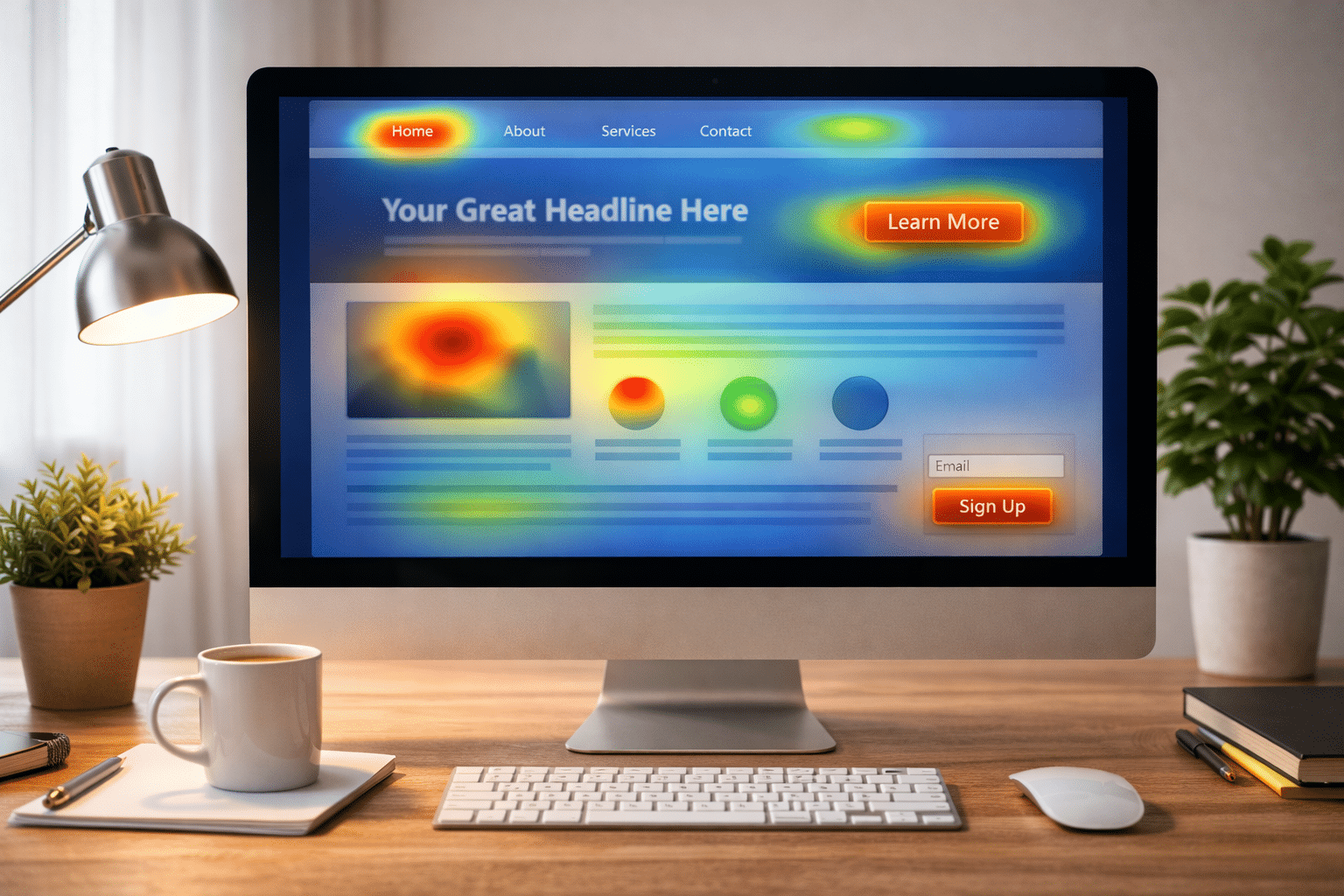
Buyers check your website, then immediately search for reviews. They read your LinkedIn posts to see if your content matches your claims. They ask about you in private Slack channels you’ll never see. Your website is competing against everything else buyers can find about you. Most B2B companies build sites as if they control the research process. They don’t. Buyers control it, and they’re using your website as one input among many.
Your website isn’t converting, so you guess at fixes. New homepage hero. Different CTA copy. Maybe a redesign. You’re making changes based on intuition instead of evidence. An effective website audit isn’t complicated—it requires a systematic approach to identifying where your site creates friction and where buyers actually drop off. Not aesthetics. Not best practices. Actual friction that kills actual deals.
Most B2B websites are built backwards. They talk about “we provide” and “our solutions” and “our approach” when buyers are asking completely different questions: Do you understand my problem? Have you solved this for companies like mine? The disconnect between “we do this” and “you need this” is where your conversion dies. Your website should be written from their perspective, not yours.
Your homepage gets more traffic than any other page on your site. It’s also where most of your potential pipeline dies. The problem isn’t your design—it’s that your homepage is built around what your company wants to say instead of what buyers need to know. Most B2B homepages waste the critical first eight seconds talking about themselves instead of proving they understand the buyer’s problem.
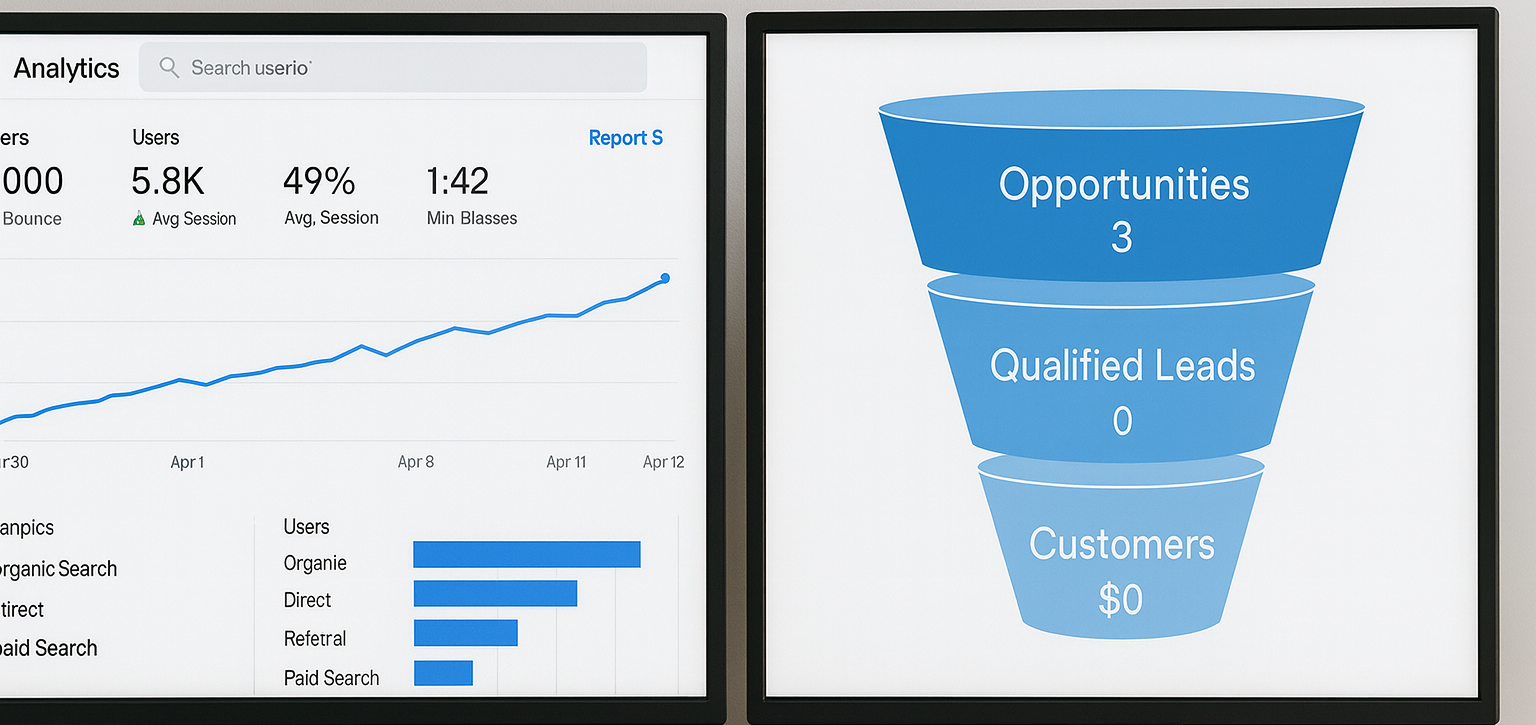
Your analytics dashboard shows 5,000 visitors last month. Your sales pipeline shows three qualified opportunities. The gap between those numbers isn’t a traffic problem—it’s that your website is built to generate attention, not facilitate decisions. Most B2B sites push for demos before establishing value, talk about the company instead of solving problems, and optimize for the wrong conversion events entirely.
Everyone has called a company call center, gone through the automated system, and relentlessly tried to get connected to a real person on the phone. It’s often time-consuming and incredibly frustrating to make your way through the automated menu and sit on hold. Our world is fast-paced, and with technology, people expect instant gratification. Enter … Read more
Businesses are always looking for better ways to understand their customers. One of the largest interactions a buyer has with a company is with their website. It takes about 50 milliseconds (that’s 0.05 seconds) for users to form an opinion about your website that determines whether they like your site or not, whether they’ll stay … Read more
Last week, we talked about landing pages and their importance for your business. Today, we are going to talk about our favorite tool out there to build them. What it is: We understand the importance of landing pages, but how do we build them, and more importantly, make them look great and work perfectly? Enter … Read more