

How to Audit Your B2B Website for Conversion Problems
Your website isn’t converting, so you guess at fixes. New homepage hero. Different CTA copy. Maybe a redesign. You’re making changes based on intuition instead of evidence. An effective website audit isn’t complicated—it requires a systematic approach to identifying where your site creates friction and where buyers actually drop off. Not aesthetics. Not best practices. Actual friction that kills actual deals.

B2B Website Benchmarks: Conversion Rates, Traffic, and Performance Metrics That Matter
Most B2B websites are built backwards. They talk about “we provide” and “our solutions” and “our approach” when buyers are asking completely different questions: Do you understand my problem? Have you solved this for companies like mine? The disconnect between “we do this” and “you need this” is where your conversion dies. Your website should be written from their perspective, not yours.

The Only Pages Your B2B Website Actually Needs (And What to Cut)
Most B2B websites are built backwards. They talk about “we provide” and “our solutions” and “our approach” when buyers are asking completely different questions: Do you understand my problem? Have you solved this for companies like mine? The disconnect between “we do this” and “you need this” is where your conversion dies. Your website should be written from their perspective, not yours.

What B2B Buyers Actually Expect From Your Homepage (And Why Most Get It Wrong)
Your homepage gets more traffic than any other page on your site. It’s also where most of your potential pipeline dies. The problem isn’t your design—it’s that your homepage is built around what your company wants to say instead of what buyers need to know. Most B2B homepages waste the critical first eight seconds talking about themselves instead of proving they understand the buyer’s problem.
Your B2B Website Gets Traffic But No Deals: Here’s Why
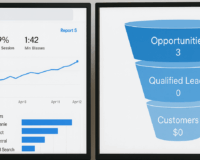
Your analytics dashboard shows 5,000 visitors last month. Your sales pipeline shows three qualified opportunities. The gap between those numbers isn’t a traffic problem—it’s that your website is built to generate attention, not facilitate decisions. Most B2B sites push for demos before establishing value, talk about the company instead of solving problems, and optimize for the wrong conversion events entirely.

The Grey Matter Guide to Problem-Centric Messaging in B2B Marketing
Most B2B messaging sounds like everyone else’s. Learn how to build problem-centric messaging that actually resonates with buying committees and closes deals.
How to Write B2B Case Studies That Actually Close Deals
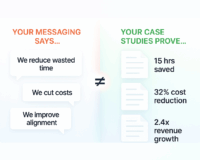
Your champion just sent another “checking in” email. Three weeks since the demo. Finance needs more proof. IT has questions. Operations wants implementation details. The deal that should have closed last quarter is still sitting in limbo. While each stakeholder brings different concerns to the table, there are five universal problems that nearly everyone in that buying committee shares. When you can frame your solution around these shared concerns—wasted time, rising costs, risk exposure, lack of visibility, and missed growth opportunities—you stop forcing your champion to translate between priorities and give them a common language that moves the entire group toward action.

How to Know If Your Messaging Actually Works (Before You Waste Budget on It)
Your champion just sent another “checking in” email. Three weeks since the demo. Finance needs more proof. IT has questions. Operations wants implementation details. The deal that should have closed last quarter is still sitting in limbo. While each stakeholder brings different concerns to the table, there are five universal problems that nearly everyone in that buying committee shares. When you can frame your solution around these shared concerns—wasted time, rising costs, risk exposure, lack of visibility, and missed growth opportunities—you stop forcing your champion to translate between priorities and give them a common language that moves the entire group toward action.