 FIG. 01 · Plant engineering office
When Engineering Has Veto Power
We're the industrial marketing agency for manufacturers whose buyer isn't one person. It's a six-month evaluation across engineering, procurement and operations, and every one of them can kill the deal. Most agencies have never sold through a committee like that. We build acquisition frameworks that earn trust at every seat at the table.
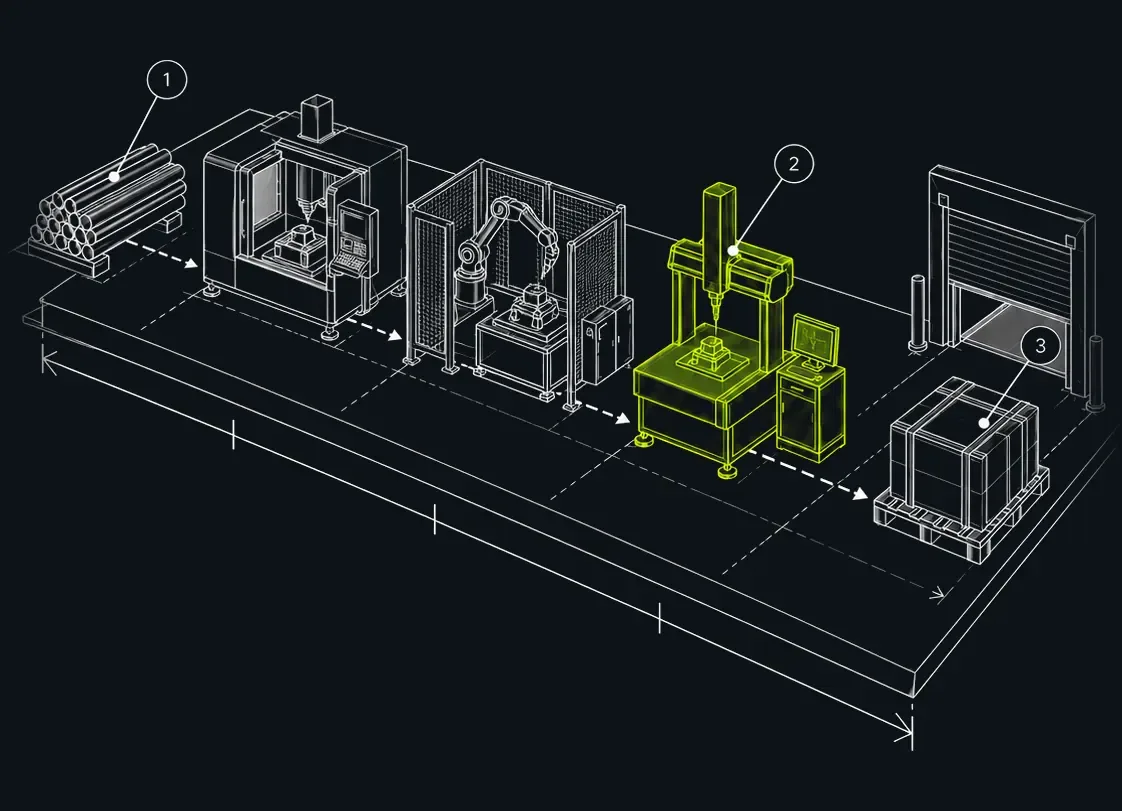 FIG. 02 · Bar stock to shipping dock
Why manufacturing is different.
Grey Matter runs SEO, paid media, ABM and sales enablement for industrial manufacturers with 6 to 18 month sales cycles.
Your buyer is typically an engineer, procurement director or operations leader. They research differently, evaluate differently and care about different proof. Manufacturing buyers compare vendors on capability, not hype, so we start with how they actually buy.
- We write for RFQs, spec sheets and tolerances, not taglines.
- Our case work spans CNC machining, aerospace and defense suppliers, OEM enclosures, 3D printing materials and industrial services.
- For one Midwest manufacturer, organic search went from $0 to $818,083 in closed-won revenue.
What makes this market different.
 FIG. 03 · Cycle
Long sales cycles
6-18 month buying decisions with multiple stakeholders. Your marketing needs to nurture across the entire journey.
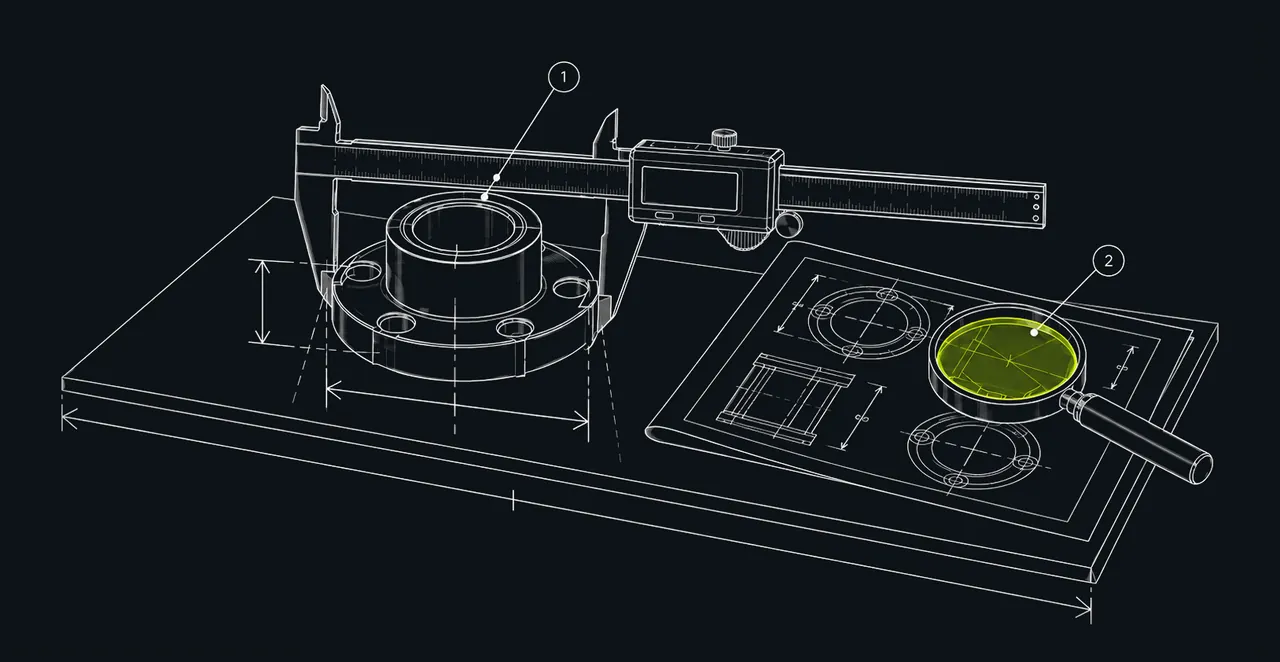 FIG. 04 · Specs
Technical buyers
Engineers, procurement managers, and operations leaders who research deeply before ever contacting sales.
 FIG. 05 · Study
Digital visibility gap
Of 592 manufacturers we studied, 22% rank for fewer than 100 keywords. Many manufacturers are behind on digital. That's your opportunity, but only if you move now.
Three seats at the table. Each one can say no.
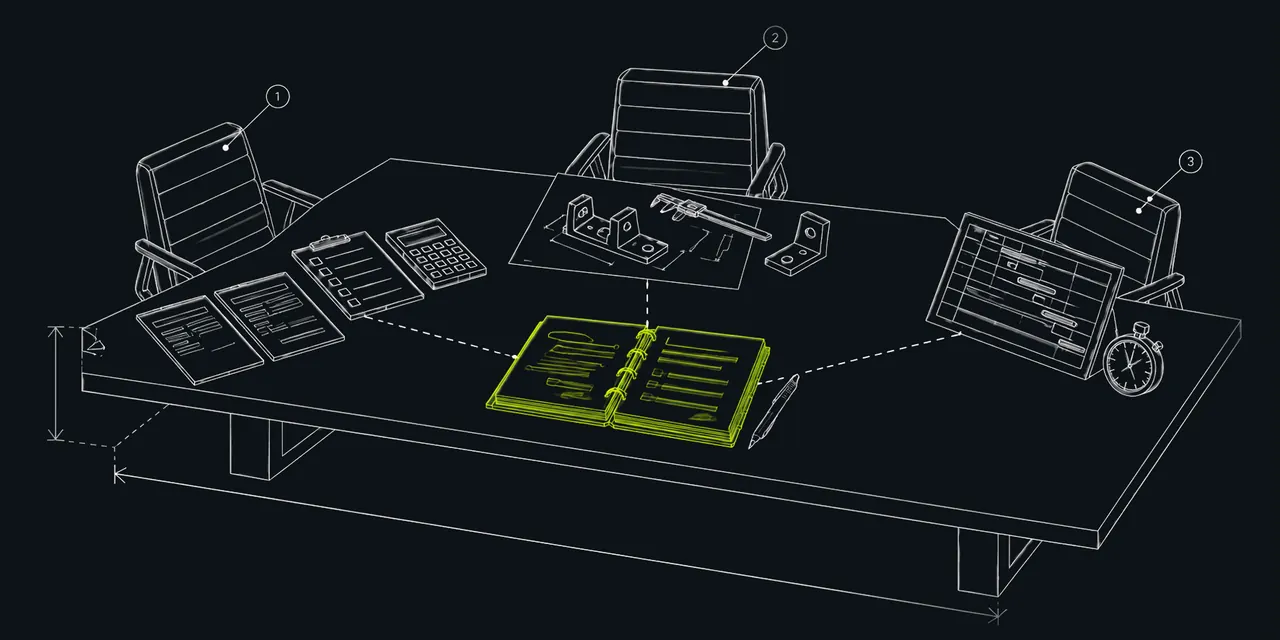 FIG. 06 · 1 Left: Procurement · 2 Back: Engineering · 3 Right: Operations
Procurement
Checks vendors, terms, risk and total cost.
We build battle cards, comparison pages and proposal templates.
Engineering
Checks specs, tolerances and proof it works.
We build technical content, spec pages and capability proof.
Operations
Checks ROI, lead times and disruption.
We build ROI case studies and site paths by role.
of organic traffic goes to the top 10% of manufacturers. Most of the industry is easy to miss.
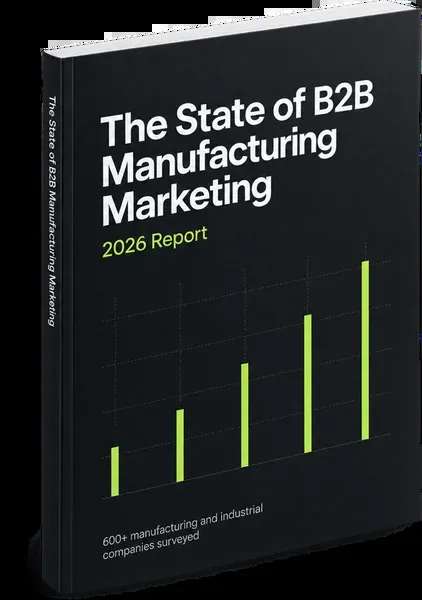 Read The State of B2B Manufacturing
Deep expertise by segment.
 Aerospace & DefenseLong procurement cycles, classified specs, and risk-averse buyers. Your marketing needs to build trust before the first meeting.
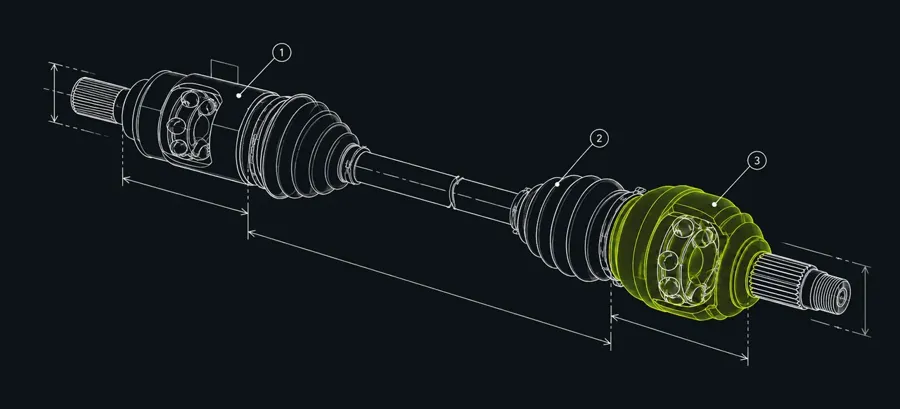 Automotive PartsTier 1, 2, and 3 suppliers face compressed margins and consolidating buyers. Stand out on capability, not just cost.
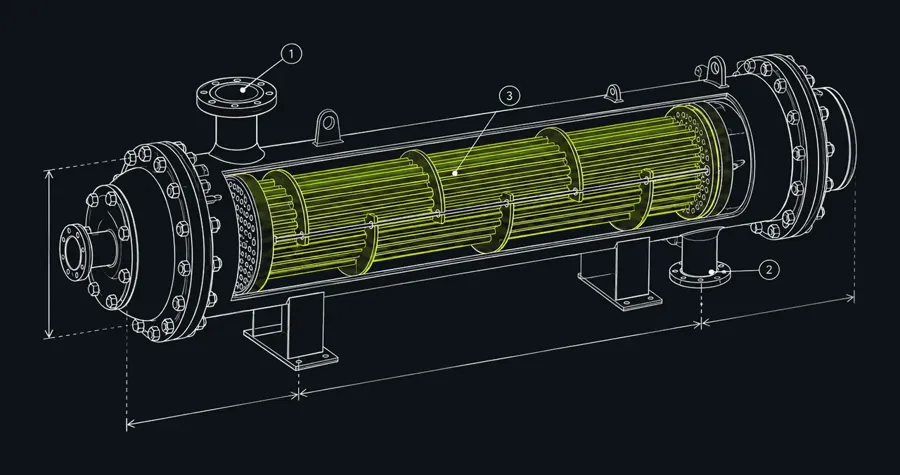 Chemical ManufacturingREACH, TSCA, GHS. Your buyers navigate regulatory mazes. Your marketing should prove you do too.
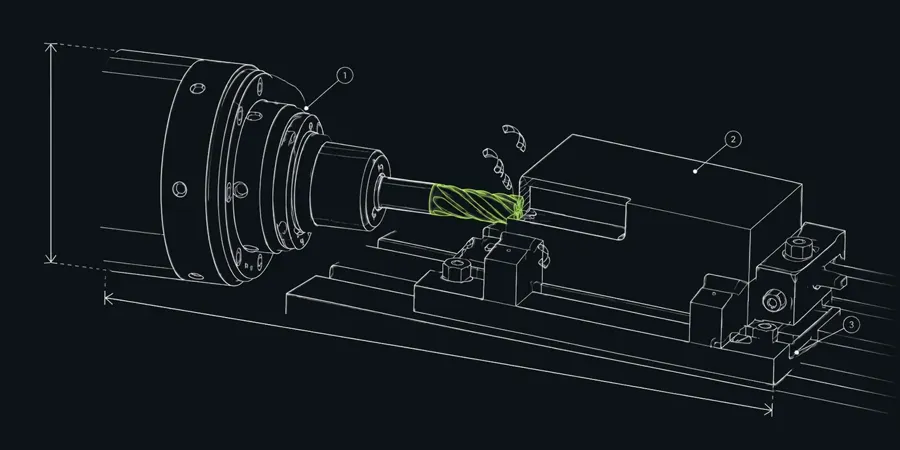 CNC MachiningWhen every shop says tight tolerances and fast turnaround, you need marketing that differentiates on proof.
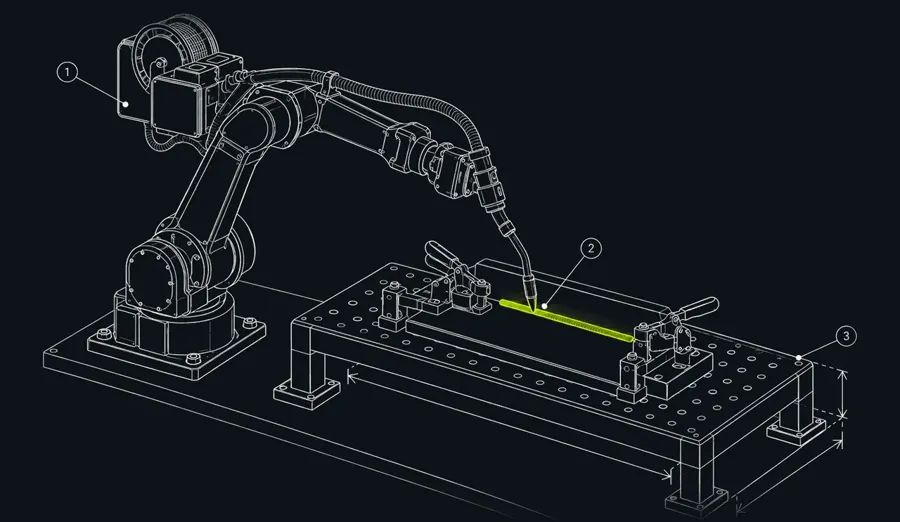 Contract ManufacturingYou can’t show your best work. We help you market capability and trust when case studies aren’t an option.
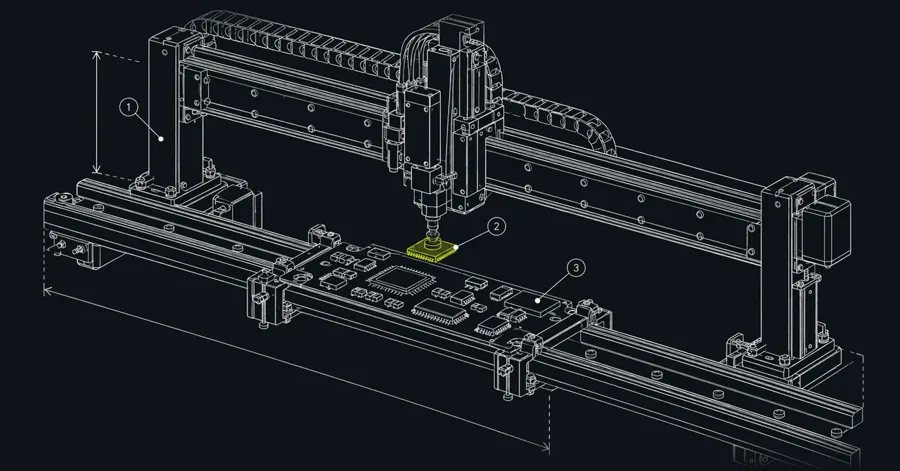 Electronics ManufacturingPCB assembly, component manufacturing, EMS. Your buyers are engineers. Your marketing should speak their language.
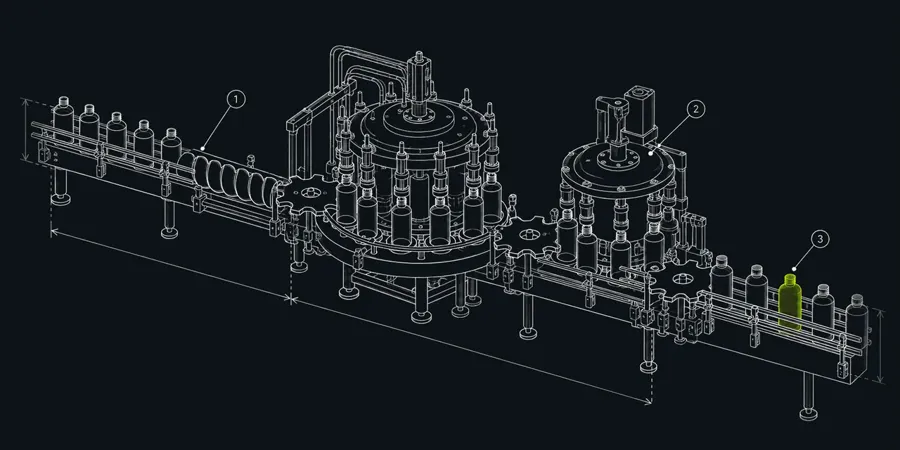 Food & BeverageFSMA compliance, co-packing capacity, private label capability. Your differentiators are operational. We make them visible.
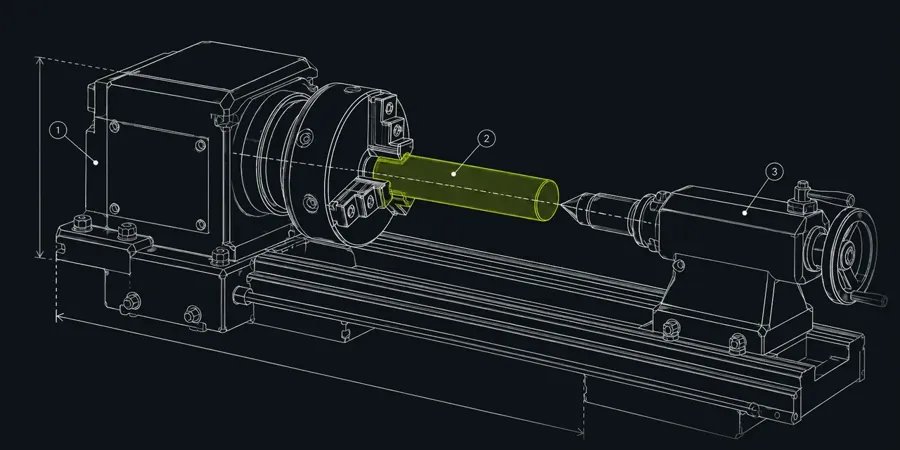 Industrial EquipmentEngineers specify, procurement buys, operations approves. We build campaigns that speak to every seat at the table.
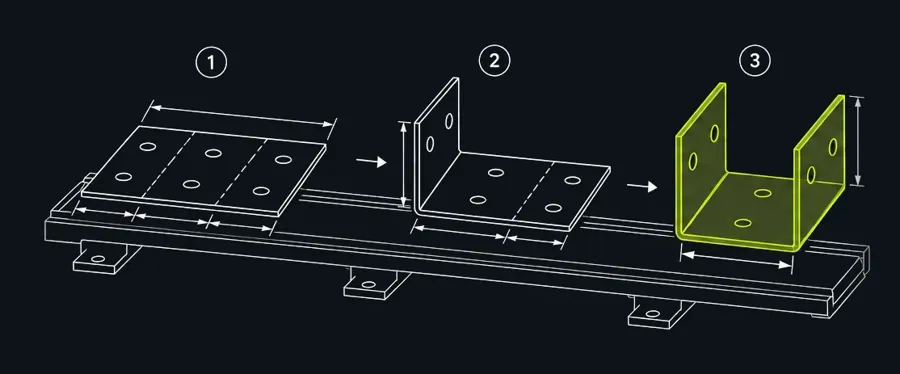 Metal FabricationCustom fab, welding, finishing. When capabilities are similar, marketing that proves quality wins the RFQ.
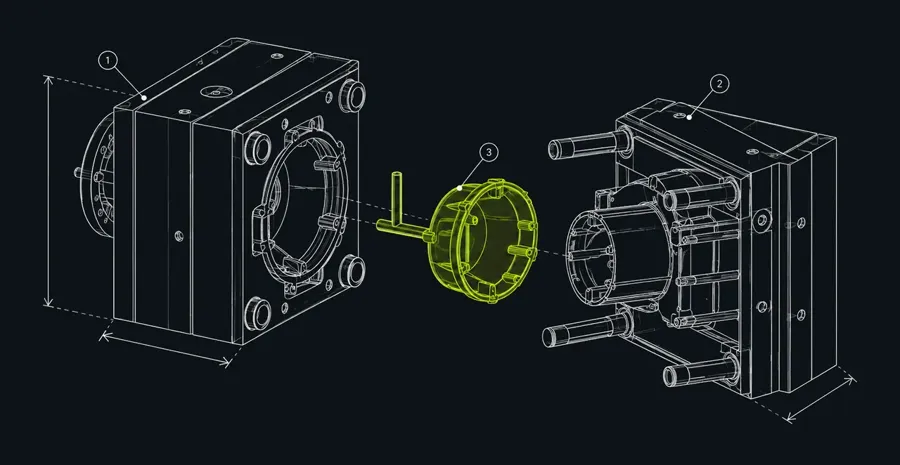 Plastics & Injection MoldingMold design, material science, production scale. We turn your technical depth into buyer-facing content.
Intelligent Acquisition for manufacturers.
We reverse-engineer how your buyers decide. Then we build the framework that puts you in front of them at every step. Technical content. Sales enablement. Competitive intelligence. Demand generation. All tied to the actual buying process your customers follow. See our full approach to lead generation for manufacturers.
 Phase 1
Decode
We reverse-engineer how your buyers make decisions. In-depth interviews. Competitive positioning analysis. AI search visibility audits. By day 14, we know more about your buyer’s decision process than most companies learn in a year.
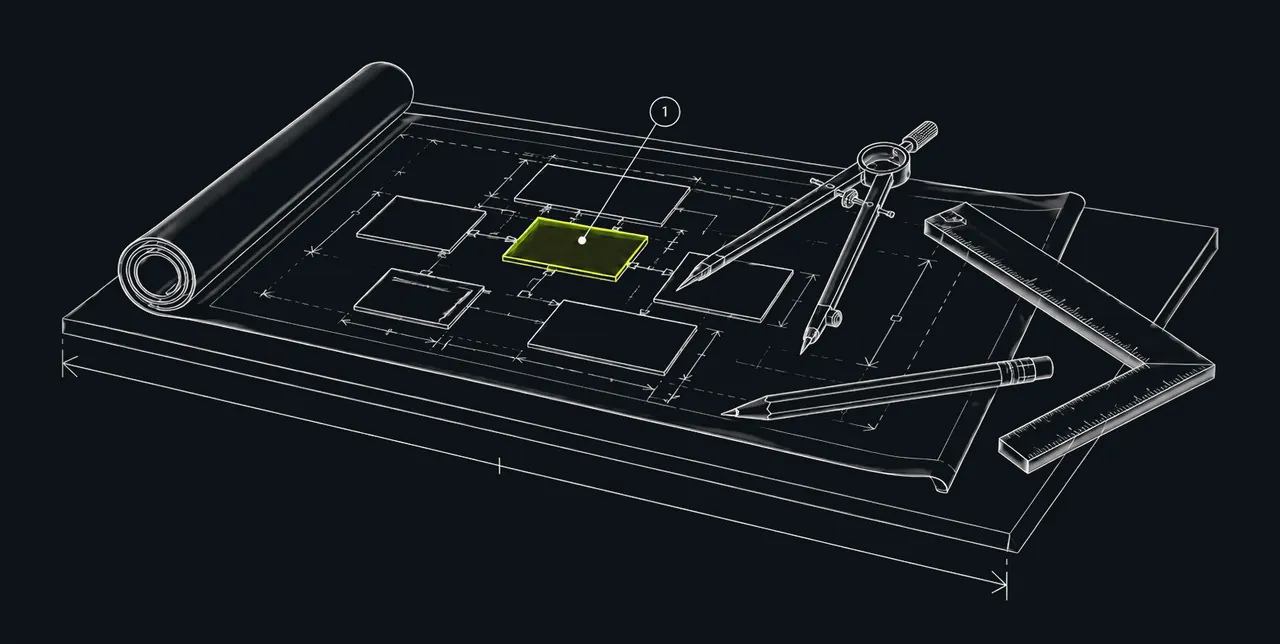 Phase 2
Architect
We find where you win in market and position you to become the obvious choice amongst the competition. All mapped to the buyer psychology from Phase 1 and earning you trust through thoughtful positioning.
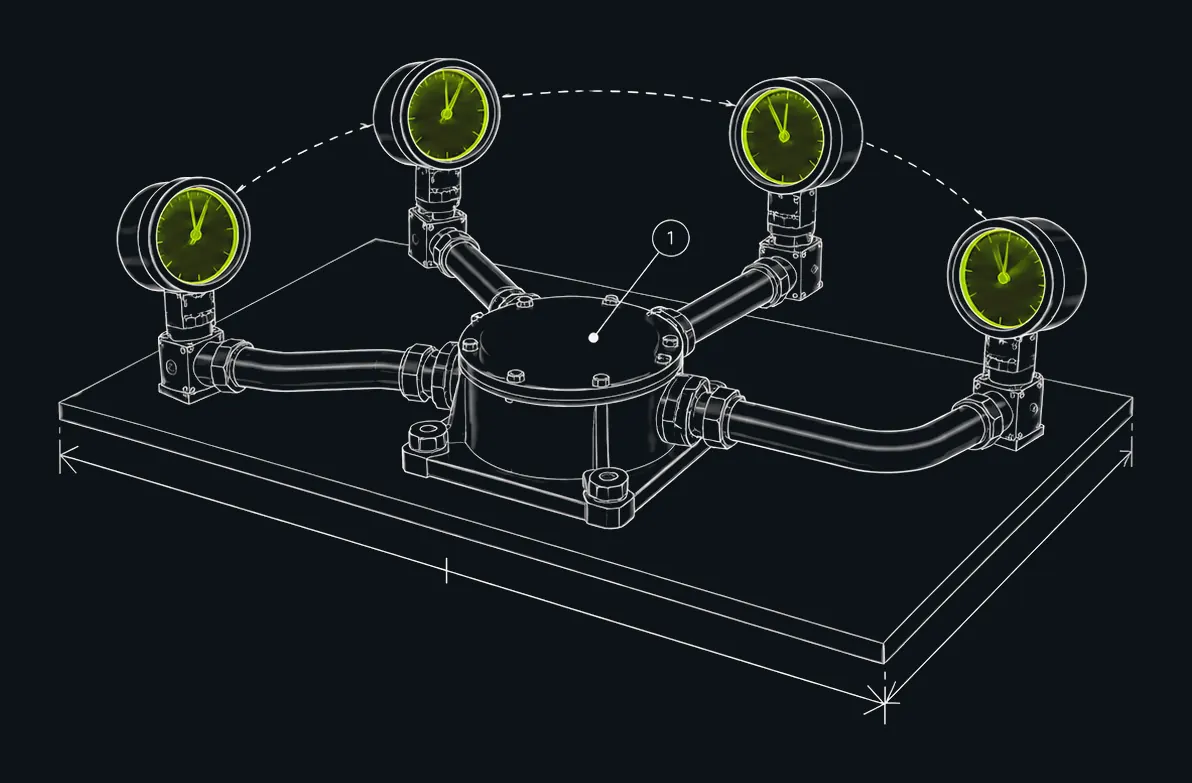 Phase 3
Activate
Everything launches in a coordinated 90-day sprint. SEO and GEO. Paid media. Content. Email sequences. ABM. Sales enablement. Not separate workstreams running in parallel. One integrated framework where every channel reinforces every other channel.
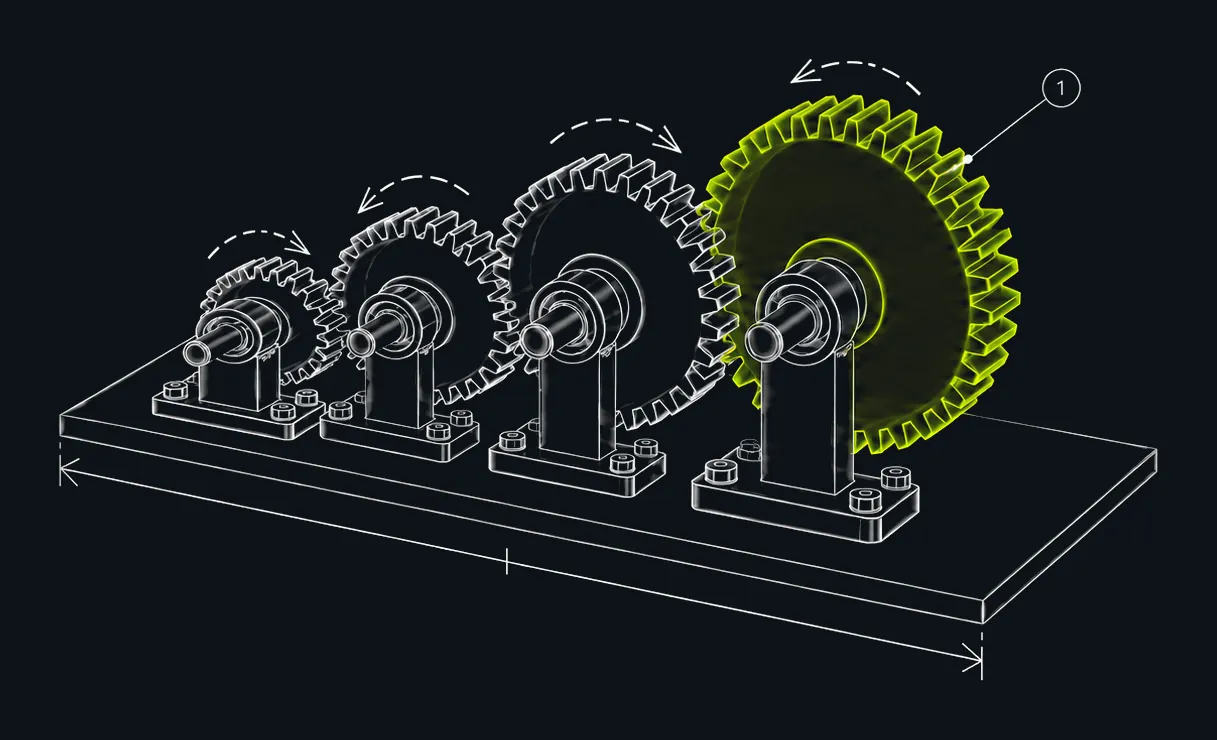 Phase 4
Compound
We measure what connects activity to revenue, not just what’s easy to report. This allows the system to compound so next year’s work builds on this year’s. Most growth systems reset every budget cycle. Ours get sharper every quarter.
Results from manufacturers like you.
Closed-won from organic search, up from $0
Industrial manufacturer · Read the case study →Paid567%Quarterly ROAS, up from 255% on 14% less spend
3D printing materials · Read the case study →PPC-63%Cost per conversion, with 365 high-quality leads
Manufacturer · Read the case study →Search200%More quote volume in 90 days
Environmental services · Read the case study →See what this looks like in your market.
Bring your sales cycle and your buying committee. We'll show you where we'd start.
Frequently asked questions.
What’s a manufacturing marketing strategy?
A manufacturing marketing strategy is a plan to generate pipeline from the buyers who research, evaluate, and decide on your products or services. It starts with understanding your buyer (engineer, procurement director, operations leader). It includes positioning and messaging that address their concerns (reliability, technical capability, cost, ROI, reference ability). It ties all channels (content, paid media, SEO, sales enablement) to pipeline and revenue. Most manufacturing companies have marketing activities. Few have strategies that connect those activities to actual buying decisions.
How do you create a marketing plan for a manufacturing company?
We start with buyer research. We interview your customers and prospects to find out who is involved in the decision. What matters to them? What are they searching for online? Then we build a plan that addresses each stage of their journey. Content for the research phase. Messaging for the evaluation phase. Sales enablement for the approval phase. Marketing programs fail because they don’t account for long sales cycles and multi-stakeholder approval. Ours do.
What’s the role of marketing in manufacturing?
The role of marketing in manufacturing is to put your company in front of buyers at every stage of their decision process and arm your sales team with the tools they need to close. Engineering buyers start their research on Google and LinkedIn. Procurement directors compare vendors based on reputation and case studies. Operations leaders care about ROI and risk. Marketing is responsible for being visible in those moments with the right message.
What are good marketing ideas for manufacturing companies?
Content that demonstrates technical capability without showing customer work (white papers, webinars, case studies with metrics). SEO targeting engineering and procurement keywords. LinkedIn strategy targeting multi-stakeholder approval committees. Sales enablement addressing competitive positioning and objection handling. Website optimization for technical buyers who need to understand your specs and proof.
What’s sales enablement for manufacturing?
Sales enablement for manufacturing means giving your sales team the tools they need to navigate long, technical buying processes. Battle cards that address competitive claims. Technical collateral that explains your capability. Proposal templates that show previous successes. Sales workflows that move deals through multi-stakeholder approval. And process documentation that prevents deals from stalling at the approval stage.
Will this work for our niche?
We work across all major manufacturing sub-verticals. Whether you make plastics and injection-molded components, CNC-machined parts, fabricated metal, aerospace components, electronics, automotive parts, food and beverage, specialty chemicals, contract manufacturing, or industrial equipment, each sub-vertical has distinct buyers, search behavior, and competitive dynamics. We build the acquisition framework around those specifics, not a generic manufacturing template.
How do you compare with other manufacturing marketing agencies?
It depends on what you need. We ranked ten agencies, including us, and who each one fits in our guide to the best manufacturing marketing agencies for 2027. If another firm on that list is a better fit for your problem, we'll tell you.