 FIG. 01 · Playbook, tabbed
Marketing opens deals. Sales closes them.
Battle cards. Competitive intelligence. Proposal templates. Sales workflows. Process optimization. The content and tools your sales team needs to win the deals marketing creates.
Why sales teams lose deals they should win.
The gap between marketing-qualified and revenue-closed is where most B2B growth strategies fall apart.
Marketing generates leads. Sales works them. But somewhere between the first meeting and the signed contract, deals stall, go quiet, or lose to a competitor. The root cause is almost never the product. It is the sales process.
Reps without current competitive intelligence walk into meetings underprepared. Proposals get built from scratch for each deal instead of from tested templates. New reps spend months ramping on institutional knowledge that should be documented. And when deals are lost, nobody systematically captures why.
Sales enablement is the infrastructure that closes those gaps, not more content for content's sake, but the specific tools, intelligence, and processes that help reps win the deals already in the pipeline. Pair it with CRM & MarTech to automate handoffs and ensure no qualified lead goes untouched.
For manufacturers navigating 6 to 18 month evaluation cycles and multi-stakeholder buying committees, the right sales enablement system is what separates deals that close from deals that quietly die in committee.
Capabilities.
Sales collateral library built from competitive intelligence
Most sales collateral is built by marketing in a vacuum. Your reps ignore it because it doesn't address what buyers actually ask in meetings. We build collateral from competitive intelligence and real sales conversations, so your team actually uses it.
Competitive battle cards updated with real competitive data every sprint
Your competitors change their pricing, messaging, and positioning constantly. Static battle cards go stale in weeks. We update yours every sprint with real competitive data so your reps always walk into a deal informed.
Proposal and presentation templates
Every proposal your team sends is a brand moment and a sales opportunity. Inconsistent, ad-hoc proposals signal disorganization. We build templates that are polished, on-brand, and structured to address buyer concerns in the right order.
Sales process mapping and deal stage optimization
If your sales process doesn't match how your buyers actually buy, deals stall in the wrong places. We map your process to real buyer behavior and optimize each stage so reps know exactly what to do next to move a deal forward.
CRM workflow automation for sales handoffs
We automate handoff workflows in your CRM with clear triggers, notifications, and follow-up sequences so no qualified lead sits untouched.
Sales and marketing alignment process design
Sales blames marketing for bad leads. Marketing blames sales for not following up. We design alignment processes with shared definitions, feedback loops, and joint accountability that end the finger-pointing.
Win/loss analysis
You can't improve what you don't measure. We build systematic win/loss analysis that captures why deals were won or lost, and feeds those insights back into messaging, positioning, and sales training.
New rep onboarding materials and enablement playbooks
Every month a new rep spends ramping is a month of lost quota. We build onboarding playbooks that compress ramp time by giving new reps the competitive knowledge, talk tracks, and deal strategies they need from day one.
How it works.
 Step 1
Decode
We reverse-engineer how your buyers decide and how your reps sell. Sales team interviews, win/loss analysis, and call reviews reveal the gaps between what marketing produces and what sales needs to close.
 Step 2
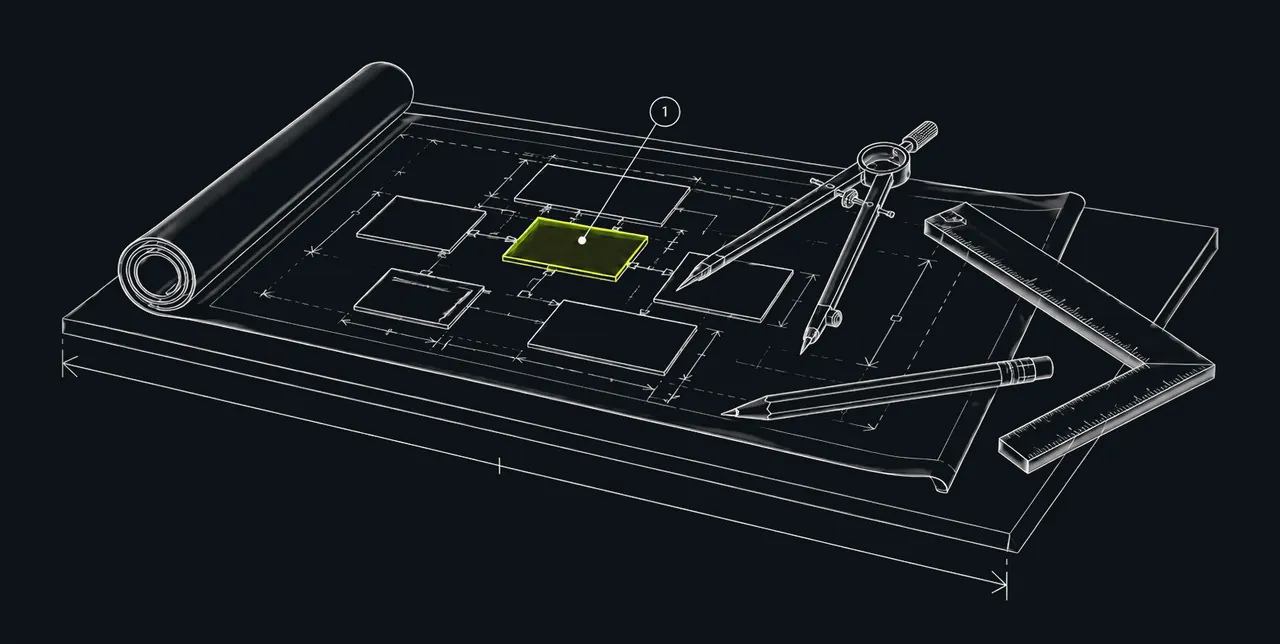
Architect
We design the enablement system before we build a single asset. Battle cards, talk tracks, templates, and process documentation all mapped to the buying committee and the deal stages where reps lose. Strategy first, collateral second.
 Step 3
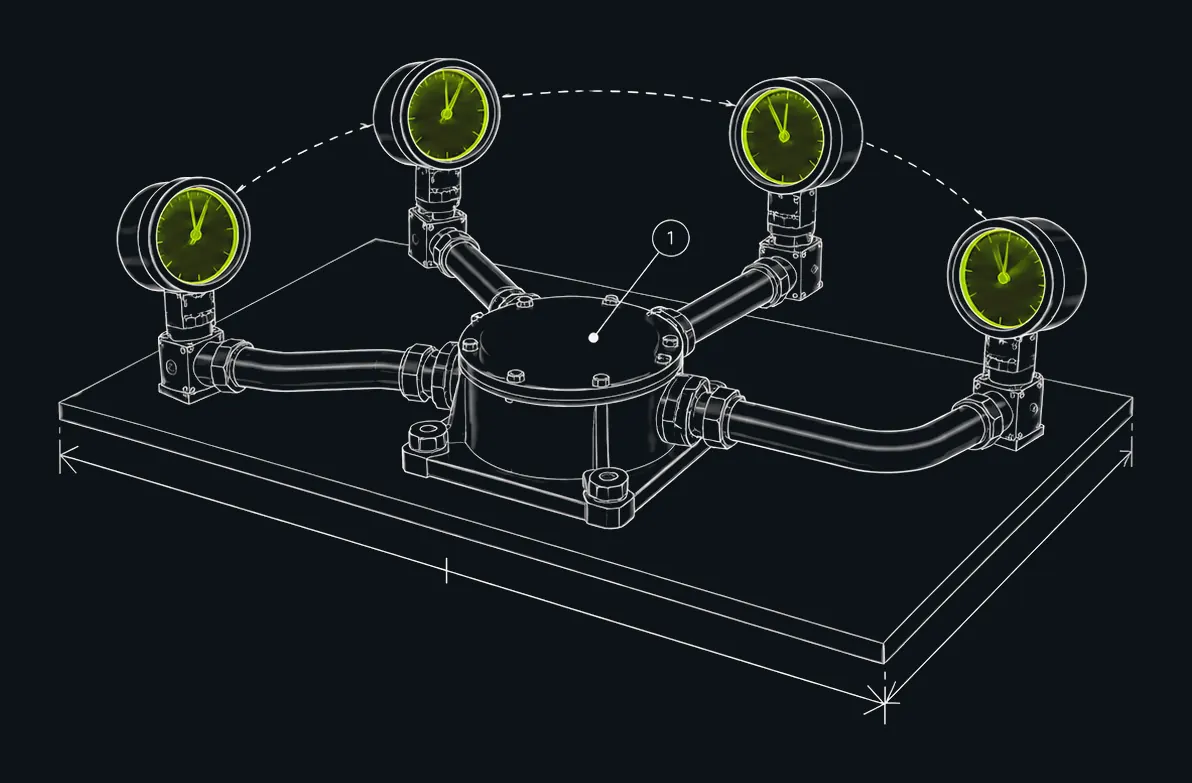
Activate
Coordinated rollout in a 90-day sprint. Training, CRM workflow turn-on, and measurement go live together. Deal velocity, win rate, and rep adoption tracked weekly so the system gets sharper every cycle.
See what this looks like in your market.
Bring your sales cycle and your buying committee. We'll show you where we'd start.
Frequently asked questions.
How do you keep battle cards current without ongoing work from our team?
We run competitive intelligence sprints every 30 days. We monitor competitor websites, pricing pages, case studies, and review sites and update your battle cards with new data. Your reps always have current information. Your team's only job is to approve updates.
What if our sales team doesn't use the materials we build?
Adoption is built into the design process. We interview your reps before we build anything to understand what they actually need in the field. Collateral built without rep input gets ignored. Collateral built with it gets used. We also track adoption as a metric and adjust if usage is low.
How do you integrate with our CRM?
We build enablement assets directly into your CRM workflow. Battle cards surface in deal records. Proposal templates live in the tools your reps already use. We do not create a separate content library that reps have to remember to visit.
Can sales enablement work run alongside growth marketing?
Yes. Sales enablement and growth marketing are most effective when they run together. Marketing generates pipeline. Enablement helps sales close it. Running both under one strategy means collateral is always aligned with what campaigns are saying in market.