 FIG. 01 · Gear train, 4 stages
Pipeline that compounds. Intelligent Acquisition™.
A system that compounds every 90 days, adapts to how your buyers behave, and connects every dollar spent to pipeline generated.
The methodology behind predictable growth.
Most marketing teams optimize for the wrong things. They chase vanity metrics. Clicks, impressions, database growth. While losing sight of what actually matters: pipeline and revenue. We built Intelligent Acquisition differently.
It starts with buyer psychology. We map how your buyers think, decide, and buy. Then we layer in data-driven execution: real-time optimization, account-level precision, and continuous learning. The result is a system that doesn’t just generate demand. It generates the right demand, from the buyers who matter most, at the exact moment when they’re ready to engage.
The outcome: shorter sales cycles, higher conversion rates, lower CAC, and predictable revenue growth.
What sets us apart
The four phases.
Every engagement follows this framework. The strategy changes. The methodology doesn’t.
 FIG. 02 · Decode
Decode
We reverse-engineer how your buyers make decisions. In-depth interviews with your buyers. Competitive positioning analysis. AI search visibility audits. By day 14, we know more about your buyer’s decision process than most companies learn in a year. We don’t assume. We research. We ask. We listen.
 FIG. 03 · Architect
Architect
We find where you win in market and position you to become the obvious choice against the competition. All mapped to the buyer psychology from Phase 1 and earning you trust through thoughtful positioning. We define your messaging. Your competitive angles. Your buyer journey. Your content strategy. Your market-facing promise. Everything before a single ad runs or a line of code is written.
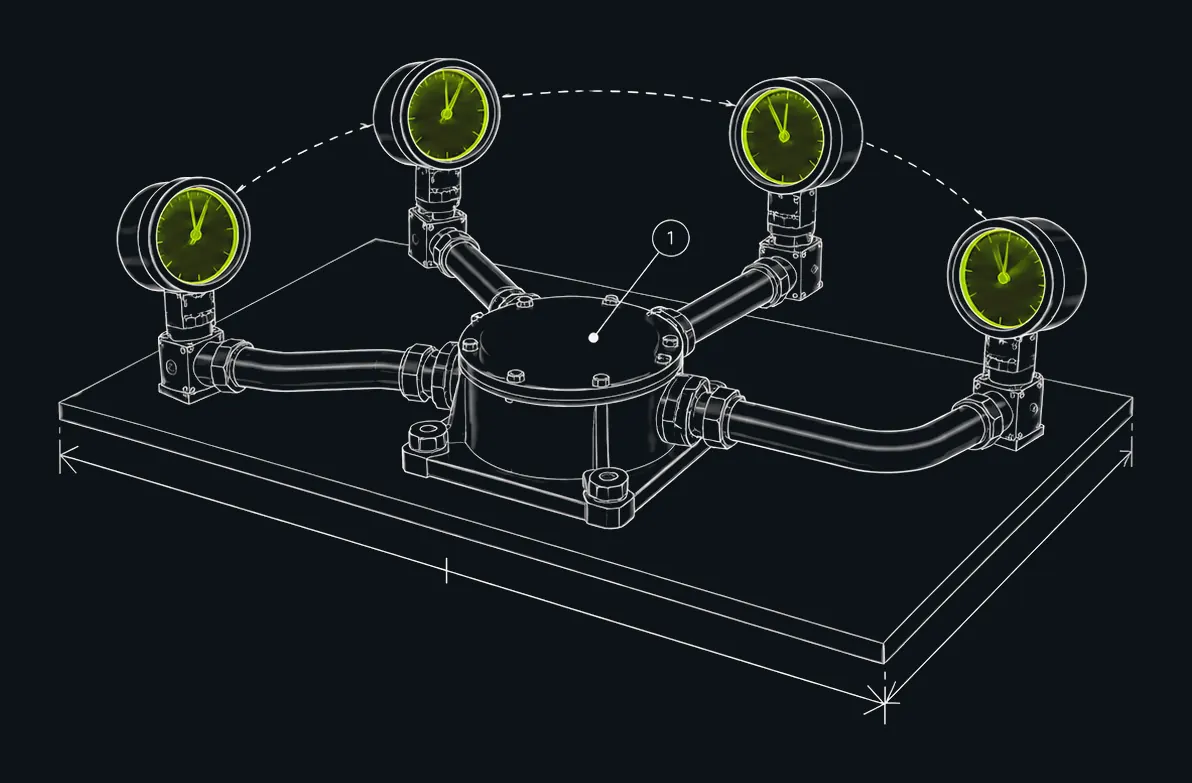 FIG. 04 · Activate
Activate
Everything launches in a coordinated activation sprint. SEO and GEO. Paid media. Content. Email sequences. ABM. Sales enablement. Not separate workstreams running in parallel. One integrated framework where every channel reinforces every other channel. Your website drives email subscribers. Email drives webinar attendees. Webinars produce sales-qualified leads. Every part of the system feeds the next.
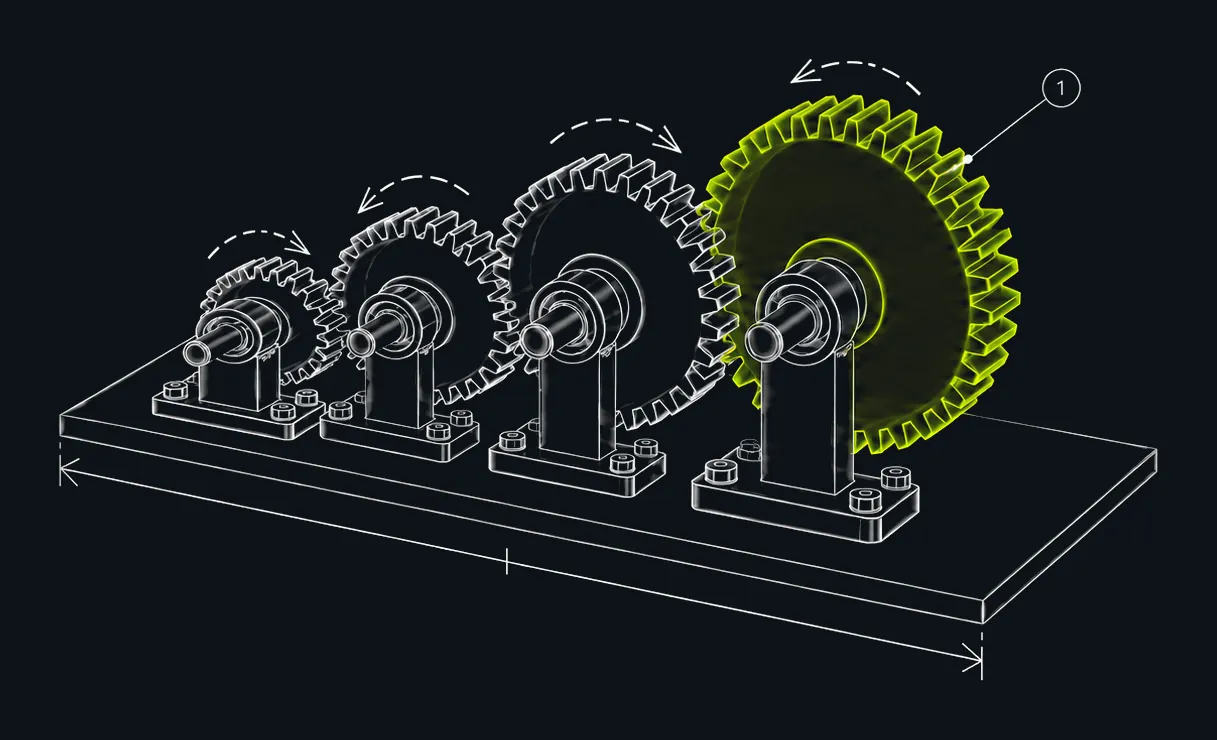 FIG. 05 · Compound
Compound
We measure what connects activity to revenue, not just what’s easy to report. This allows the system to compound so next year’s work builds on this year’s. Most growth systems reset every budget cycle. Ours get sharper every quarter. Conversion rates improve because we know which messages work. CAC decreases because we know where buyers are. Velocity improves because sales processes are optimized based on real data. Everything works better because we measure what matters.
Five strategies. Each built for a specific barrier.
Most B2B marketing programs fail because the wrong strategy was built for the wrong problem. Each strategy targets a distinct buyer barrier. You select what fits, stack what you need, and everything runs on a shared signal and reporting layer.

High-Intent Capture
Some of your best prospects are in-market right now, actively searching for exactly what you do. This strategy captures that demand at the moment it exists. We build the keyword strategy, run paid and organic programs, write the conversion landing page, and set up retargeting to keep you visible through the full evaluation cycle.

Account-Based Marketing
When your addressable market is defined and you can name the companies you want to win, ABM is the right motion. We build and tier your named account list, develop a message matrix by buying role and vertical, create a high-value core asset, and run a coordinated program across LinkedIn and programmatic display to generate account-level engagement your team can act on.

Thought Leadership
Buyers who don’t know you exist will never consider you. This strategy builds the category authority and executive visibility that puts you on the radar long before a formal evaluation begins. We develop a clear, defensible anchor asset, amplify it through the right media channels, and host a webinar as a high-intent engagement event.

Competitive Conquesting
The hardest thing to beat in B2B is inertia. Buyers who already use something, even something inferior, default to staying put unless the cost of that decision is made clear. This strategy intercepts buyers actively evaluating alternatives, positions you as the better option through direct comparison content, and runs a coordinated campaign to generate switching momentum.

Sales Enablement
Most deals don’t die from lack of interest. They die because buyers couldn’t build internal consensus, reps improvised when they should have had a system, and nobody could see where the friction was coming from. This strategy builds the commercial infrastructure that eliminates that friction.
Want it guaranteed?
The four phases are how we build predictable growth for every client. When a team wants more than predictable, we'll put the results in writing. We call it the Growth Guarantee, and it changes how the framework starts.
Decode becomes a Growth Blueprint.
For most engagements, Decode is the first two weeks. For the Growth Guarantee, we pull it out and run it on its own, up front, as a paid engagement we call the Growth Blueprint. It's the same deep work, reverse-engineering how your buyers decide, auditing your funnel, and pressure-testing your data, with one addition. By the end, we agree on a specific, achievable number of marketing-qualified leads (MQLs). Not a number we picked, and not one you hoped for, but the number the Blueprint proves is real. It's also where we confirm fit, because a guarantee only holds when the fundamentals are there, and not every business is a match.
Then we commit, for twelve months.
If the Blueprint says go, Architect, Activate, and Compound run as one continuous engagement over a full twelve months. Why a year? Because Intelligent Acquisition is built to compound, and compounding takes time. Anyone can spike a number for a quarter. Almost no one will guarantee it.
We hit the number, or we keep working.
Here's the part most agencies won't put in writing. We commit to the MQL number we set together in the Blueprint. Hit it, and the system is doing exactly what we designed it to do. Miss it, and we keep working until we get there, at our expense. No moving the goalposts, and no vanity metric to cover the gap. That's what putting our money where our mouth is looks like. We win when you grow, and not before.
What a typical engagement looks like.
- Month 1
Decode & Architect
Week 1-2: We dive deep. Competitive analysis, stakeholder interviews, market research, buyer persona interviews. Week 3-4: We synthesize insights into strategy. Positioning, messaging, roadmap. By day 30, every team member, yours and ours, knows exactly where we’re going.
- Months 2 to 4
Activation Sprint
Week 5-6: We build. Creative concepts, campaigns, assets, sequences, collateral. Week 7-8: Launch. Every campaign goes live simultaneously. Week 9-10: Optimize. A/B tests, daily optimization. Week 11-12: Review and plan the next sprint.
- Month 5+
Compounding Sprints
Each sprint builds on the last. Conversion rates get better. CAC gets lower. Pipeline gets more predictable. You’re iterating on a system that works. This is how mature growth teams operate. This is what repeatable, scalable revenue looks like.
Your competitors aren’t waiting. Neither should you.
Tell us where growth is stuck and see exactly how Intelligent Acquisition would work for your business.
Frequently asked questions.
What’s the onboarding process like?
Week 1: Kickoff call. We meet your team, understand your current state, define success metrics. Week 2-4: Deep work. Decode phase: audit, interviews, research. You will see weekly progress updates. By day 30, you have a strategic roadmap and a clear picture of what’s coming. It’s fast-paced, collaborative, and transparent.
How big is the team working on my account?
Depends on the strategy. A single campaign strategy gets a digital marketing strategist, organic and paid search strategists, and creative. You may also have a CRM strategist depending on the engagement module. All strategies have a dedicated account lead, which we call “campaign leaders”. They’re your single point of contact.
How often do we meet?
Weekly or bi-weekly campaign performance calls (30 min). Monthly business reviews showing performance data and next sprint plans. Async updates in Slack or email as things happen. You aren’t trapped in meetings, but you’re never left wondering what’s happening.
What reporting do I get?
Weekly dashboards (pipeline, conversion metrics, campaign performance). Monthly deep-dive reports that show what worked, what didn’t, and what we’re changing. At day 90, a comprehensive sprint summary with ROI analysis. Every report connects activity to business outcomes.
How does the 90-day sprint work?
Days 1-30: Decode & Architect phase. We audit, interview, build strategy. You get a roadmap and know what’s coming. Days 31-90: Activate & Compound phase. We launch everything, run A/B tests, optimize daily based on data. You get weekly performance updates. At day 90: Review and plan the next sprint.
Can I start with just one strategy?
Absolutely. That’s how most clients start. We’ll align on the strategy that matches the buyer barrier costing you the most. If buyers are already searching, we’ll start with High-Intent Capture. If you need to build awareness first, we’ll start with Thought Leadership. After one sprint, you’ll have clarity on what to add next.
What’s the AI actually doing?
AI is accelerating our work, not replacing strategy. AI helps us parse competitive data faster. It generates ad creative variations. Machine learning models score leads and predict optimal send times. But a human strategist is always in control. AI generates options. Humans choose what matters.
How is Grey Matter different from other agencies?
Most agencies sell projects (a campaign, a rebrand, a website). We sell outcomes. Pipeline, revenue, competitive advantage. We use 90-day sprints instead of waterfall projects because it’s faster to learn what works. We charge per strategy because you only pay for the barrier you’re solving. We obsess over psychology. Buyer behavior, decision gates, persuasion. Before tactics.
What happens if it isn’t working?
We measure constantly. If a campaign isn’t hitting its targets, we tell you immediately and pivot. If a strategy isn’t delivering value, we either fix it or change it. Our success is entirely dependent on driving results for you.