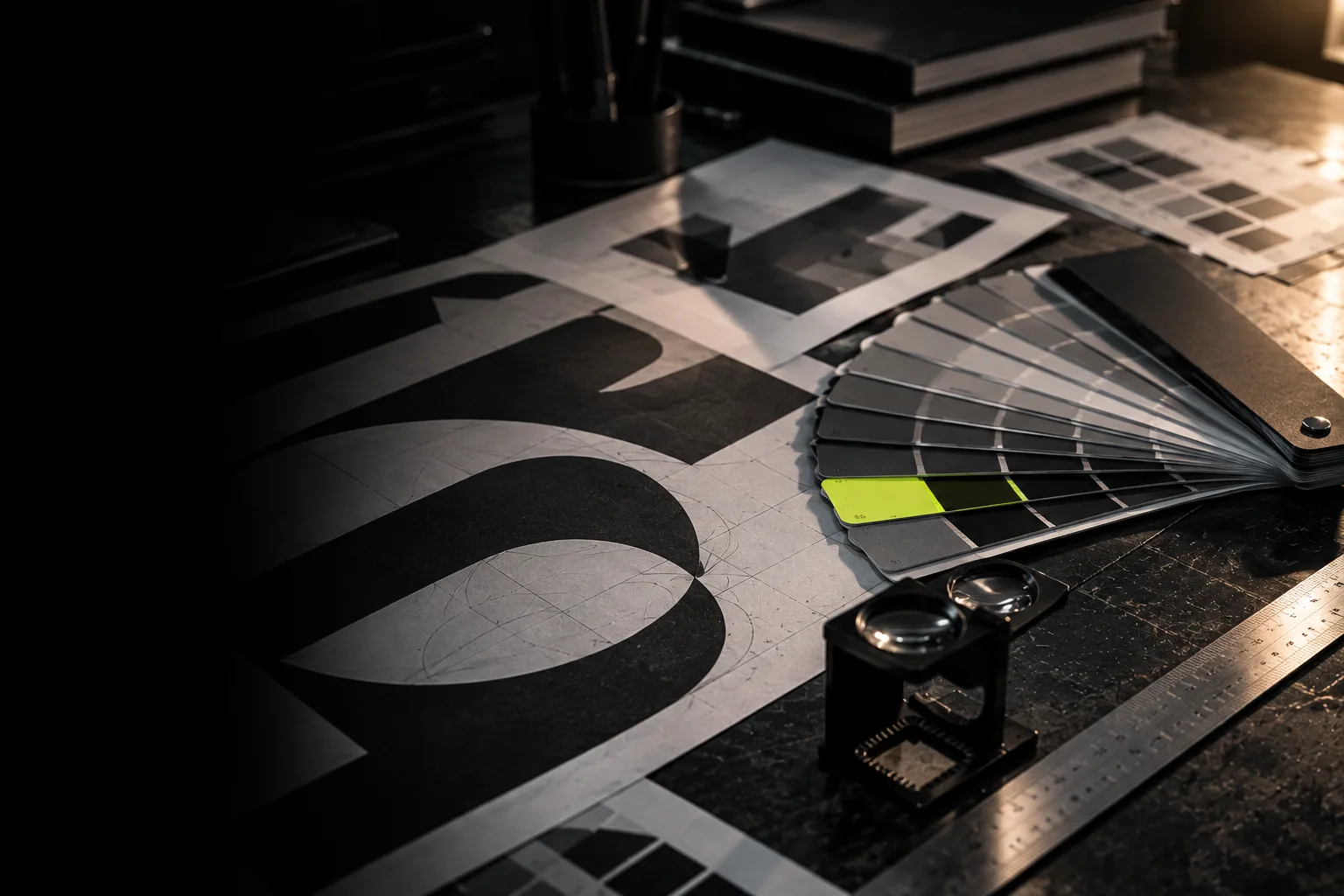
 FIG. 01 · Specimen sheet
Your brand isn't a logo. It's why buyers pick you first.
Positioning. Messaging. Visual identity. Brand architecture. Built for complex B2B markets where trust is the product and differentiation is survival.
Why B2B brand is a revenue decision, not a creative one.
In complex B2B sales, brand does the work that sales cannot.
B2B brand investment is often treated as a discretionary expense, something companies do when they have budget left over, not something that drives pipeline. That framing is wrong.
It establishes credibility before the first meeting. It shortens due diligence. It reduces the perceived risk of choosing you. Buyers who already know and trust your brand convert faster, require less nurturing, and are less likely to shop the deal on price.
The problem is that most B2B companies have positioning that sounds identical to their competitors, same claims, same language, same value props. When buyers cannot tell you apart, they default to whoever they heard of first or whoever is cheapest. Specific, defensible positioning makes you the obvious choice for the buyers who matter. That positioning then powers your website, growth marketing campaigns, and every touchpoint in the buyer journey.
In manufacturing, where multiple technically-capable vendors compete for the same evaluation shortlist, specific and defensible positioning is what moves you from commodity to preferred supplier. For private equity-backed companies, it also determines how fast a portco can establish credibility in a new market, and how quickly LP-facing communications build the firm's authority before a fund close.
Capabilities.
Brand positioning and competitive differentiation strategy
In crowded B2B markets, buyers can't tell vendors apart. If your positioning sounds like everyone else, you compete on price. We define a competitive position that's specific, defensible, and impossible to confuse with your competitors.
Messaging architecture by segment and persona
A CFO and an operations director care about completely different things. One message doesn't work. We build messaging frameworks organized by buyer segment and persona so every audience hears what matters most to them.
Visual identity system design
Your visual identity signals whether you're a serious player or an afterthought. In B2B, credibility is everything. We design identity systems that communicate authority, modernity, and trustworthiness across every touchpoint.
Brand architecture for multi-product or multi-division companies
When you have multiple products, services, or divisions, buyers get confused. Which brand leads? How do offerings relate? We build brand architecture that clarifies the relationship between everything you offer.
Brand voice and content style guide
Inconsistent tone across your website, sales materials, and campaigns signals a disorganized company. We define a brand voice and content style guide so every piece of content sounds like it comes from the same organization.
Internal brand guidelines and team training
A brand only works if your team uses it correctly. We build practical guidelines and train your team so the brand shows up consistently in every customer interaction.
Naming and tagline development
A great name and tagline do the positioning work for you. They signal what you do, who you serve, and why you're different, before a buyer reads a single word of copy. We develop names and taglines that carry strategic weight.
Brand launch and activation planning
A rebrand without a launch plan is a missed opportunity. We plan activation across every channel: website, campaigns, sales materials, internal communications. So the new brand lands with impact, not a whimper.
Research-backed positioning (see B2B Market Research)
Positioning built on direct buyer feedback and market data, rather than internal assumptions.
How it works.
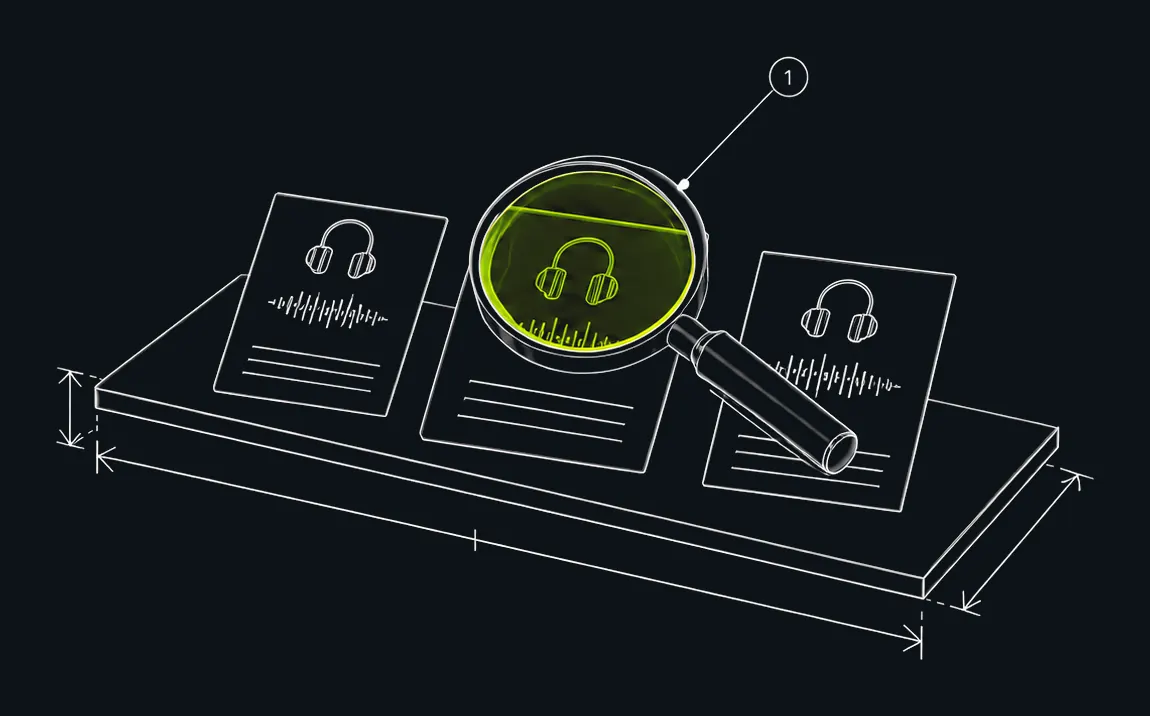 Step 1
Decode
We reverse-engineer how your buyers decide. Buyer interviews, competitive analysis, and research map the perceptions you're working with before we touch a single positioning statement.
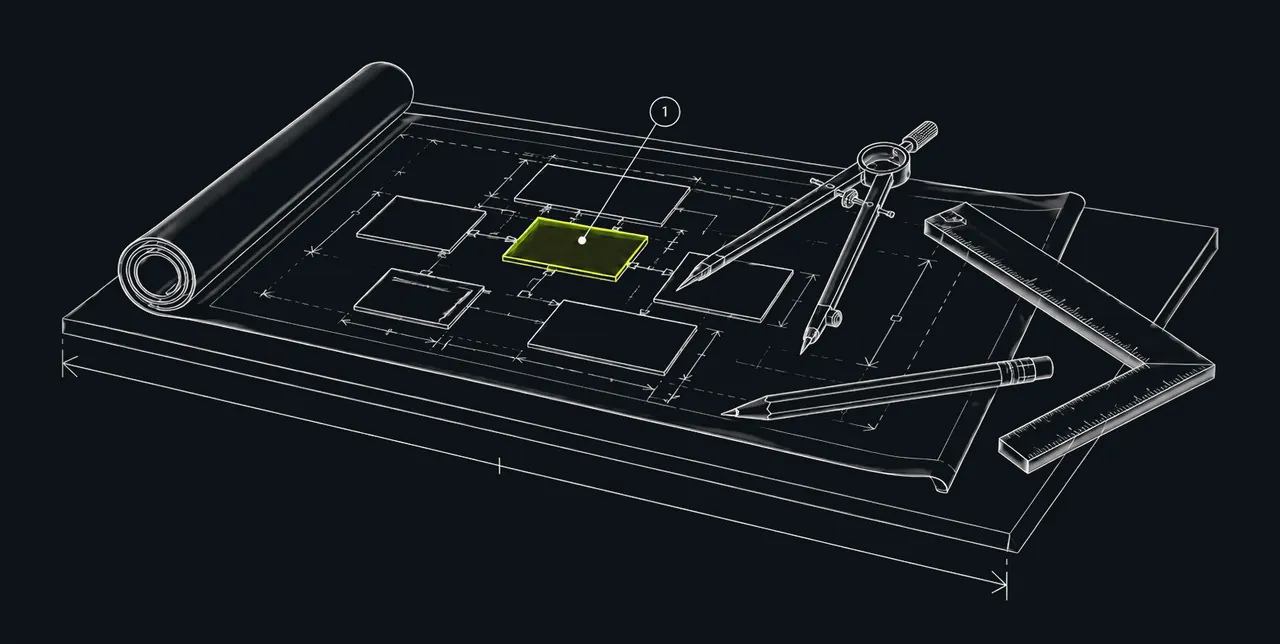 Step 2
Architect
We find where you win in market and build the positioning, messaging framework, and visual identity to make you the obvious choice. Strategy locked before any creative ships.
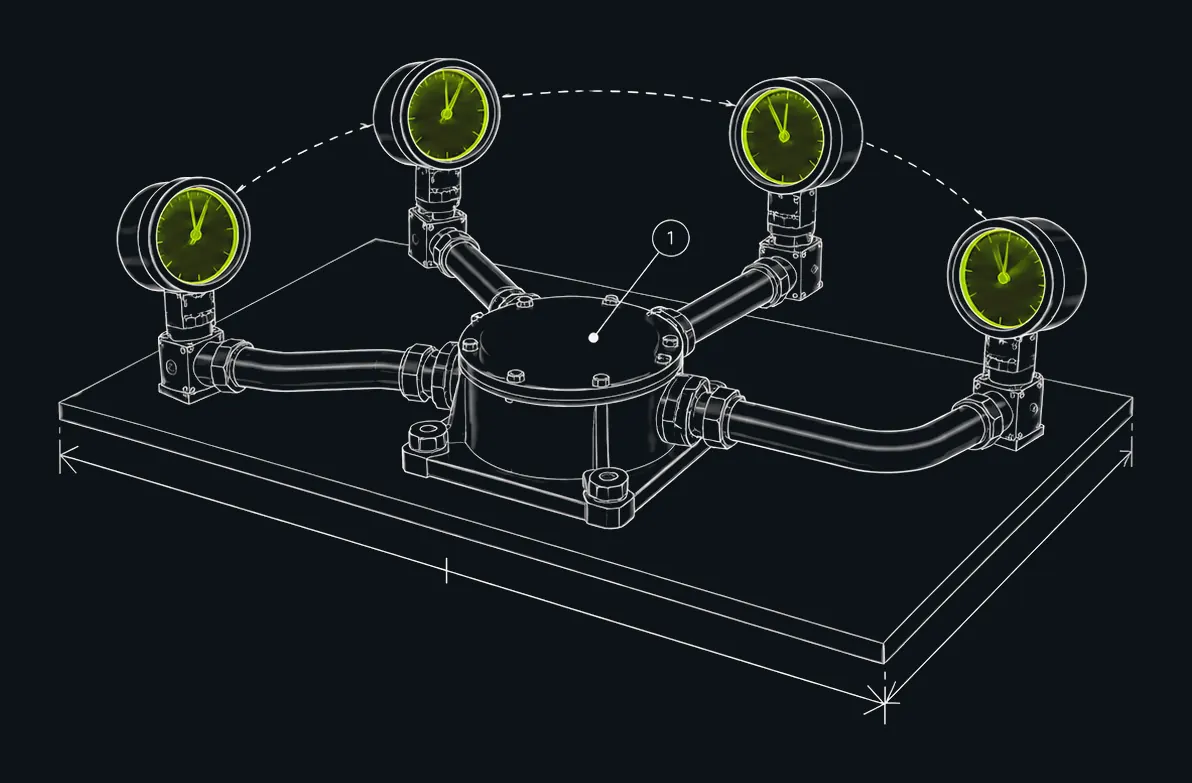 Step 3
Activate
Rollout across every touchpoint in a coordinated launch. Website, sales materials, campaigns, internal adoption. A brand your team believes in and your buyers recognize.
From our blog.
See what this looks like in your market.
Bring your sales cycle and your buying committee. We'll show you where we'd start.
Frequently asked questions.
How long does a branding engagement take?
A full brand engagement covering positioning, messaging, and visual identity typically runs 10 to 14 weeks. Positioning and messaging lock before any visual work begins. If you need a faster turnaround for a specific milestone, we can scope a focused sprint.
Do we need to rebrand or can we refine what we have?
Both are options. Some clients need a full rebrand because the market has shifted or their positioning no longer differentiates. Others need a refinement: sharper messaging, an updated visual system, and consistency across what already exists. The diagnostic tells us which path makes sense.
Can you help with brand rollout across our website and sales materials?
Yes. Brand activation is part of every engagement. We plan and coordinate rollout across your website, sales materials, campaigns, and internal communications so the new brand lands with impact rather than being quietly swapped in.
How do you measure the impact of a branding engagement?
Brand impact shows up in pipeline metrics: shorter sales cycles, higher win rates on competitive deals, and reduced price sensitivity. We establish baselines before the engagement and track these metrics over the first two quarters after launch.
Can branding run in parallel with other marketing work?
Yes, and it often should. Branding work frequently runs alongside web development and growth marketing so messaging and visual updates land across all channels simultaneously rather than in separate, disconnected phases.