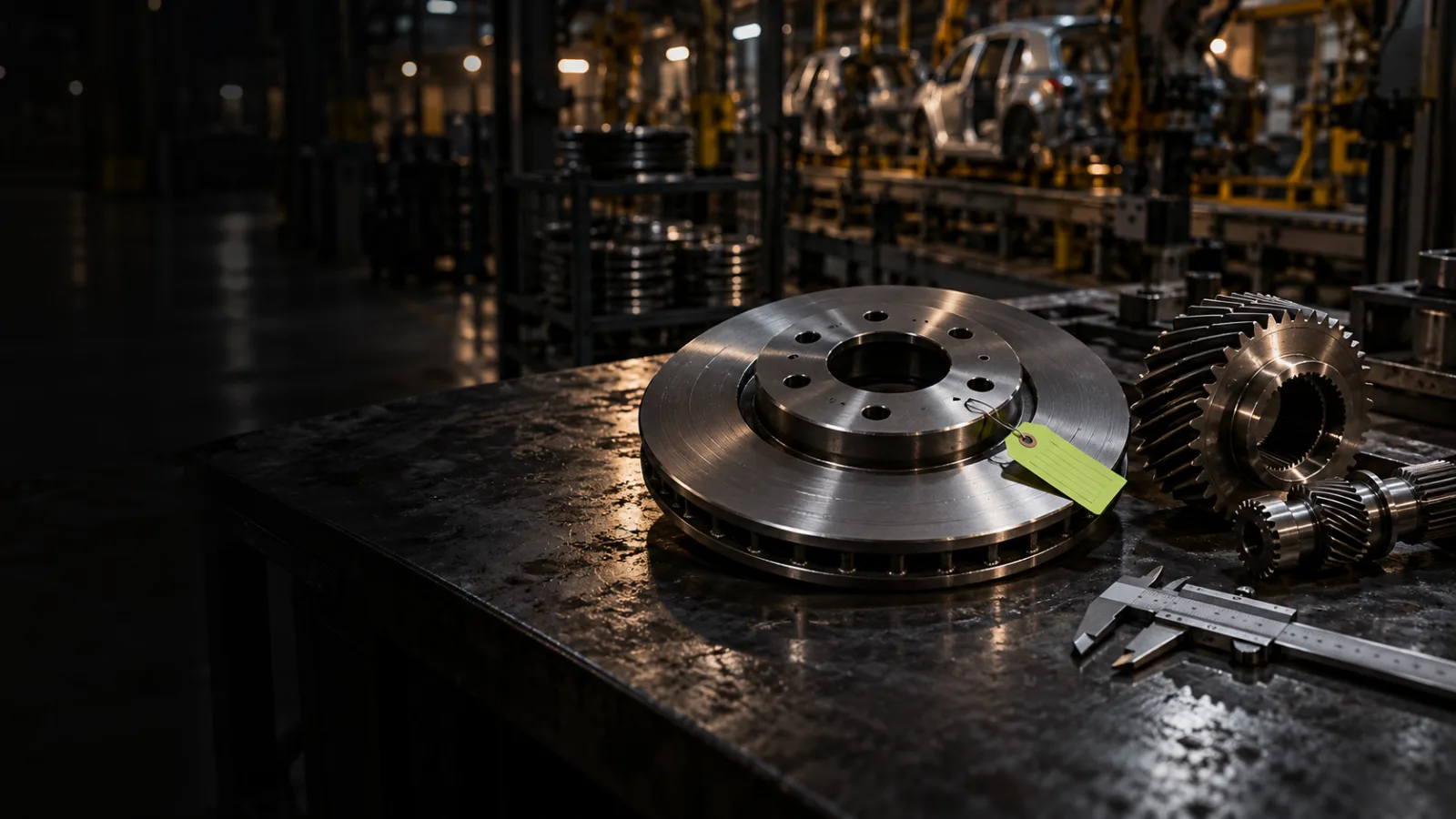
 FIG. 01 · Automotive Parts
Marketing That Survives the Supply Chain Squeeze
Tier 1, 2, and 3 suppliers face compressed margins and consolidating buyers. Stand out on capability, not just cost.
Why automotive supplier marketing is different.
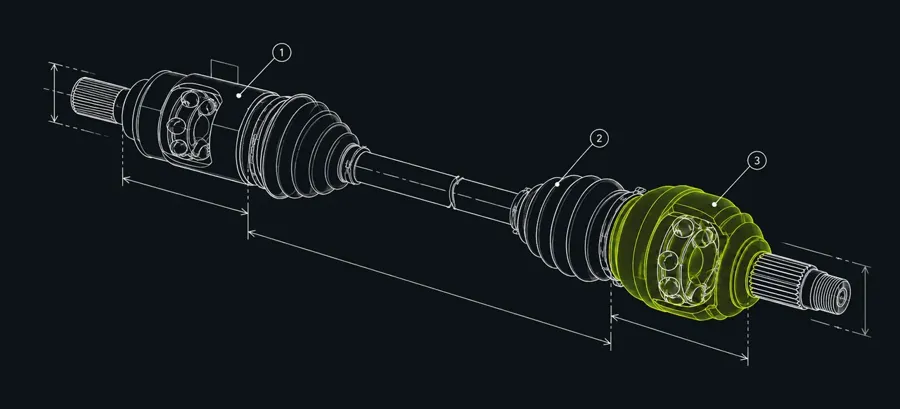 FIG. 02 · Automotive Parts
The automotive supply chain is consolidating. OEMs and Tier 1s are reducing their approved vendor lists, and the pressure to demonstrate capability, quality systems, certifications, production capacity, and PPAP compliance, is higher than it has ever been. Getting onto a preferred vendor list is a marketing problem as much as a sales problem. Buyers conduct digital research before sourcing events begin.
They look for suppliers who can prove capability, demonstrate reliability, and show a history of performance. Suppliers with a credible digital presence and clear capability positioning are getting calls they would not have received five years ago. Without that presence, you lose bids to vendors with comparable parts and stronger marketing.
What makes this market different.
Market complexity
Specialized buyers with deep technical knowledge require marketing that demonstrates expertise, not just awareness.
Long decision cycles
From initial research to RFQ to vendor selection. Your marketing needs to stay relevant across months of evaluation.
Digital visibility gap
Your competitors are investing in digital. The window to establish dominance in search and AI citation is closing.
How we drive growth in this market.
Ready to build pipeline in your market? Let's talk.
Tell us where growth is stuck and see what a demand generation framework built for manufacturing buyers looks like.